

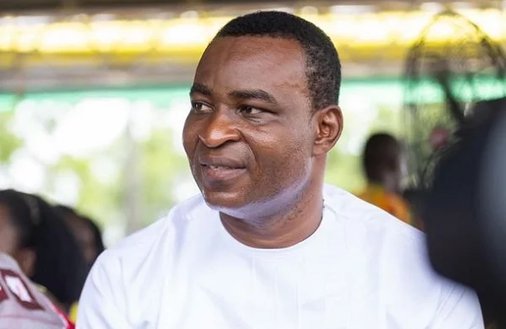
The high-profile legal proceedings involving the former Ashanti Regional Chairman of the New Patriotic Party, Bernard Antwi Boasiako, popularly known as Chairman Wontumi, have taken a precarious turn following his conviction in August 2026.
The gravity of the case has escalated beyond the courtroom as the state moves to secure the lives of those instrumental in the prosecution. During a recent appearance on Joy News’ PM Express, Deputy Attorney General Dr. Justice Srem-Sai made a startling disclosure concerning the safety of the two star witnesses whose testimonies were central to the conviction.
He confirmed that the state has been compelled to place these individuals under official police protection to mitigate the immediate danger posed to their lives, emphasizing that the threats have reached a level requiring direct state intervention.
This culture of intimidation is viewed by the Deputy Attorney General as a systematic risk inherent in the Ghanaian criminal justice system, rather than an isolated incident tied solely to the Chairman Wontumi case. He contextualized these dangers as part of the broader challenges faced by the legal profession in Ghana, noting that such pressures "come with the territory" for any official handling high-stakes litigation.
According to Dr. Srem-Sai, prosecutors, judges, and attorneys across the country regularly encounter similar hostility when presiding over serious criminal matters, including cases of murder and armed robbery.
The threats are often used as a blunt instrument of fear, yet the authorities remain resolved to enforce the law regardless of the personal consequences for those on the front lines of justice.
This recognition of the inherent limitations of physical security in such a high-stakes environment serves as a sobering bridge between official duty and personal conviction.
While physical security measures have been deployed to protect the star witnesses, Dr. Justice Srem-Sai expressed a nuanced view on the ultimate efficacy of state-provided protection.
He acknowledged that while security arrangements are tailored to the level of responsibility and the specific nature of the threats, there are inherent limits to what physical measures can achieve against determined actors. He noted that even the most robust physical protection is never truly enough because human beings are capable of unpredictable actions. This reality has led him to balance technical security with a personal philosophy of resilience and faith.
For his own peace of mind, he explained that he discounts total reliance on physical protection, opting instead to commit himself to the hands of the Lord in order to find the sleep and tranquility necessary to continue his work.
This perspective highlights the profound human element and personal sacrifice required of legal officials operating within high-tension political and criminal environments where the system's protections meet the boundaries of human vulnerability.

Comments (0)
No comments yet. Be the first to share your thoughts.