

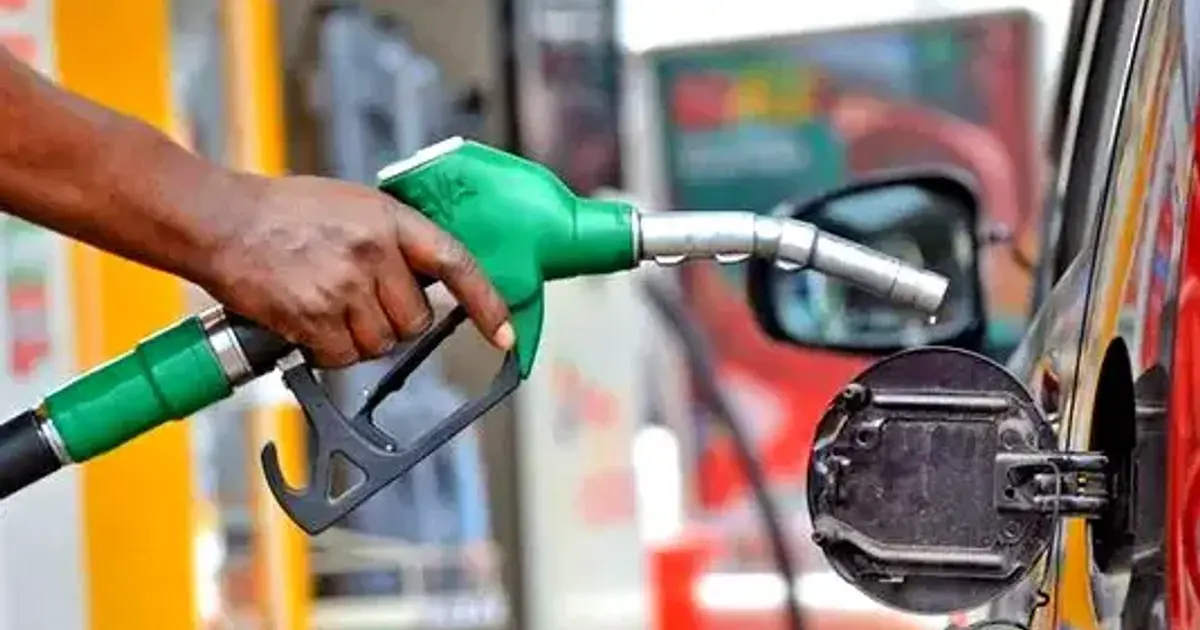
The latest data reveals that the price floor for petrol has been adjusted from GH¢13.92 per litre to GH¢14.53 per litre, which represents a 4.38% increase over the previous benchmark. Diesel consumers are also seeing a rise, with the price floor moving from GH¢15.19 to GH¢15.60 per litre, an increase of approximately 2.69%. In a more positive turn for households, the price floor for LPG has actually been reduced, dropping from GH¢10.98 to GH¢10.85 per kilogramme.
The NPA has issued a firm reminder to all industry players, specifically Oil Marketing Companies (OMCs) and LPG Marketing Companies (LPGMCs), that they are legally prohibited from selling petroleum products below these approved price floors during this pricing window. However, it is vital to note that these figures are not the final retail prices seen at filling stations. The NPA clarifies that these floors do not include the premiums charged by international traders or the various operating margins for distributors and dealers. These additional costs are determined independently by each company under the current deregulation guidelines.
Whether these new floors will immediately result in higher pump prices for the average Ghanaian remains a topic of debate. While the benchmarks have risen, some OMCs have signaled that they may keep their pump prices unchanged at the start of September to remain competitive in a market featuring over 200 different players. Despite this potential for stability, the reality is that many OMCs are already pricing their products significantly above the minimum threshold, making a pump price increase a distinct possibility. Adding to this uncertainty is the fate of the government's recent subsidy program.
In August, the government absorbed GH¢2 of the price of diesel to cushion consumers, but that intervention was strictly designated for a one-month period. Regarding the continuation of this relief, Energy and Green Transition Minister John Jinapor has stated that "the intervention is only for August and will be reviewed before any decision is taken on its continuation". Without an extension of this subsidy, diesel users could feel the full weight of the new September price floors.
In conclusion, the start of September 2026 brings a mixed bag for energy consumers in Ghana, with rising benchmarks for petrol and diesel balanced against a slight reduction in LPG costs. While competition among OMCs might temporarily delay price hikes, the underlying upward pressure on fuel remains a significant concern for the economy.
As we wait to see if the government will extend vital subsidies, motorists are encouraged to compare prices at various stations to find the most competitive rates. Stay informed on these changes to better manage your household and business budgets. We invite you to share your thoughts on these new prices in the comments below or follow our updates for the latest in Ghana's energy sector.

Comments (0)
No comments yet. Be the first to share your thoughts.