

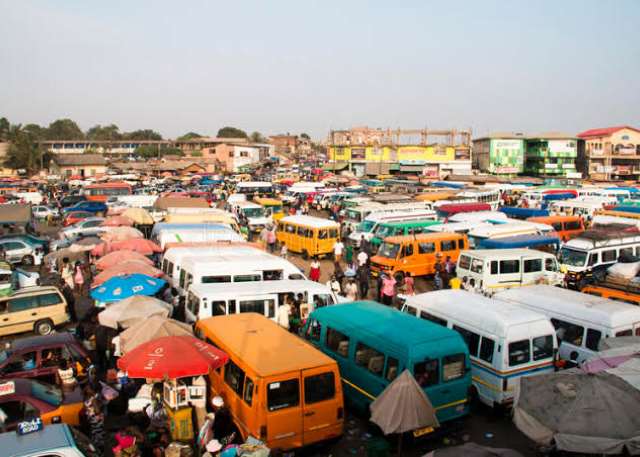
The official decision to revise commercial transport fares marks the end of weeks of intense deliberations between transport operators and government officials. Initial formal engagements began on September 8, 2026, when driver unions submitted proposals requesting higher fare caps to offset rising operational expenses. Transport operators pointed specifically to the escalating costs of vehicle maintenance, spare parts, and general operational inputs as the primary justification for a rate adjustment.
In response to these union demands, the government introduced an intervention measure offering a GH¢2 per litre support on diesel to help cushion operators and lessen the potential burden on passengers.
Following this initial proposal, a joint technical committee comprising representatives from the Ministry of Transport, the GPRTU, and the GRTCC was formed to evaluate all key cost inputs before settling on a definitive percentage. Throughout the review window, leadership from both the GPRTU and the Progressive Transport Owners' Association (PROTOA) consistently urged drivers not to charge above existing approved rates until an official announcement was finalized.
Despite transport unions originally pushing for a significantly higher adjustment—with the GPRTU initially seeking at least a 25% increase—operators ultimately compromised on the 8% margin.
This compromise was largely contingent on government commitments regarding upcoming fuel price adjustments. Explaining the rationale behind accepting the lower rate, Samuel Amoah, the Deputy Industrial and Public Relations Officer of the GPRTU, emphasized that the union carefully considered the economic impact on commuters before agreeing to the deal. According to Mr.Amoah,
"We agreed to the 8% because of the expected reduction in fuel prices in the next pricing window". However, union leadership stressed that their agreement remains tied directly to the fulfillment of these assurances.
Mr. Amoah cautioned that "It's a promise given to us and if it fails, we will still go back to the ministry to let them know that the promise given to us has not been fulfilled. Then we will see what will help our operations".
The new 8% fare adjustment will apply across all major commercial public transport services nationwide, including trotros, shared taxis, and long-distance commercial buses. For urban commuters and families making multiple trips daily, the revised rate is expected to add extra pressure to daily household transport budgets. Drivers and transport station executives are expected to post updated fare charts across lorry parks and terminals to ensure transparency as the new rates go into effect on September 26, 2026.
The upcoming 8% increase in public transport fares reflects a delicate compromise aimed at keeping Ghana’s commercial transport sector running while protecting passengers from extreme price shocks. As the September 26 implementation date approaches, both passengers and commercial drivers are advised to consult official station fare sheets to avoid disputes at lorry parks.


Comments (0)
No comments yet. Be the first to share your thoughts.