

Ghana’s bold initiative directly targets critical mineral resources including bauxite, manganese, iron, and lithium, ensuring that these vital raw materials are processed locally before reaching international markets.
Rather than enforcing an abrupt shutdown, the government will roll out a phased prohibition on unprocessed ore exports, backed by comprehensive legal frameworks, mineral-specific regulations, and transparent implementation schedules.This transition builds on previous regulatory steps, such as the existing bans already imposed on the export of iron scrap and non-ferrous metals.
Under the new mandate, foreign investors and mining conglomerates seeking access to Ghana's deposits will be legally obligated to establish or partner with local refining and processing facilities.
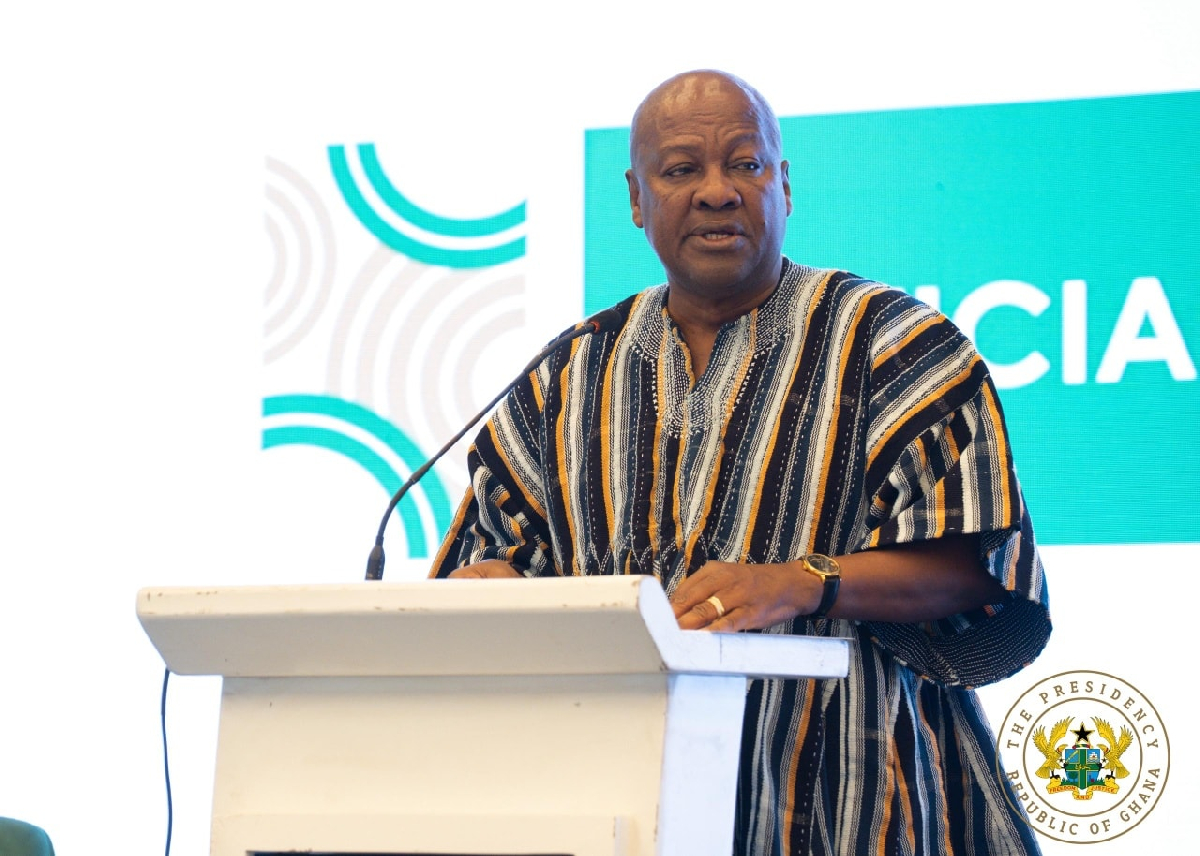
Emphasizing the core philosophy behind this industrial revolution, President Mahama delivered a clear directive to global partners and industry leaders:
“I've set a clear goal that by 2030, raw mineral ores should no longer leave our shores. Our bauxite, manganese, iron, lithium, and other minerals must support processing and industrial development here at home”.
He further clarified the legislative pathway required to realize this:
“We will pursue a phased prohibition on exports of unprocessed ores, supported by the necessary legal measures, mineral-specific requirements, and transparent implementation timetables. We have already imposed a ban on the export of iron scrap and non-ferrous metals. Investors must understand the processing obligations associated with access to our resources”.
By shifting focus toward in-country processing and smelting, Ghana aims to retain a significantly higher proportion of mineral revenues within its national economy.
Processing critical resources like lithium and bauxite locally enables Ghana to plug directly into high-value global supply chains, such as battery manufacturing and heavy industrial engineering.Ultimately, this value-addition strategy seeks to safeguard national wealth, create skilled technical jobs for Ghanaian youth, and ensure that resource extraction delivers long-term economic dividends across all regions of the country.
The 2030 ban on raw mineral exports represents a watershed moment for Ghana’s mining sector and overall industrial development.By holding foreign investors to strict local processing obligations and enforcing clear legal deadlines, Ghana is taking ownership of its natural endowment to power sustainable national growth. As implementation unfolds, this policy could serve as a powerful model for resource-rich nations across the African continent.


Comments (0)
No comments yet. Be the first to share your thoughts.