

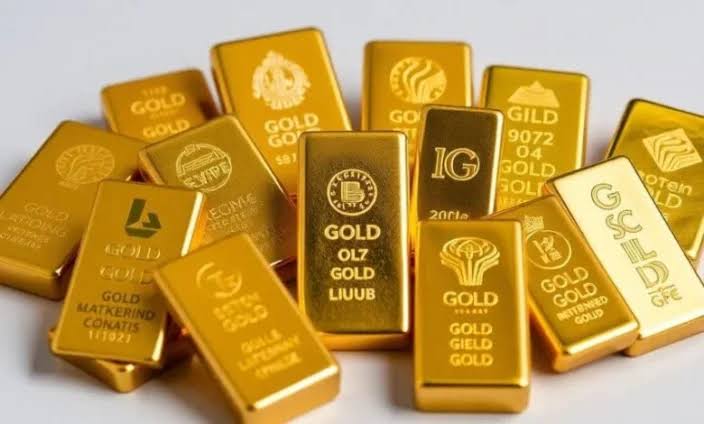
The impressive expansion in export earnings reflects strong performances across Ghana’s primary commodity sectors, led predominantly by gold. Alongside gold revenue, cocoa exports posted steady gains, reaching US$2.7 billion by August 2026 compared to US$2.4 billion recorded over the corresponding timeframe in 2025. Crude oil export revenues also advanced, climbing from US2.4 billion in August 2026. However, alongside rising export receipts, Ghana’s national expenditure on imports also expanded. The country spent US$13.5 billion on imports during the first eight months of 2026, up from US$11.2 billion in 2025. This increase was significantly driven by a steep rise in oil imports, which escalated from US4.7 billion, while non-oil imports grew from US8.7 billion over the same period. Despite the higher import bill, Ghana achieved a substantial trade surplus of US$8.8 billion, outperforming the US$7.6 billion surplus posted in August 2025. Financial analysts emphasize that this expanding trade surplus is vital for backing the Ghana Cedi, bolstering the country's foreign exchange position, and strengthening international reserves. Nevertheless, international reserves have demonstrated noticeable volatility, dropping from US11.04 billion in August, before regaining slight ground to US$12.02 billion. Beyond these strong trade statistics, economic observers have highlighted structural risks that require careful management.
A primary point of concern is the reported pause in gold exports by the Ghana Gold Board (GoldBod) since August 2026. Furthermore, monetary policy actions abroad—specifically the US Federal Reserve's decision to raise interest rates—could exert downward pressure on international gold prices, potentially affecting Ghana's main export revenue driver.
This vulnerability generated significant public commentary, such as a widely shared remark by Ghanaian social media commentator Kwesi MemeLord on X, who observed:l"I have always said it, record $22.4bn ɛyɛ zu. But GoldBod pausing exports shows we put all our eggs in one basket. One war far away and our gold money shake. We need proper trade infrastructure, not luck". Ultimately, while the record export earnings showcase Ghana's strong trade potential, sustaining this momentum will depend on global commodity trends, steady gold export policies, and broader international financial stability.
Ghana’s record-breaking US$22.4 billion export achievement highlights the immense contribution of gold, cocoa, and oil toward sustaining national economic growth.
Although the growing trade surplus bolsters foreign exchange stability, reliance on high gold prices underscores the necessity for long-term export diversification and resilient trade infrastructure. As global financial conditions evolve, policymakers and industry leaders must carefully navigate interest rate shifts and operational pauses to protect these fiscal gains.


Comments (0)
No comments yet. Be the first to share your thoughts.