
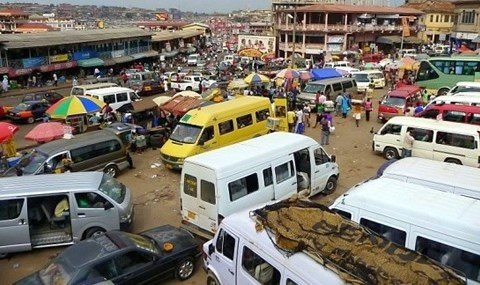
The GPRTU has officially submitted this proposal to the Ministry of Transport for review, citing that current fare levels are no longer sustainable for transport owners and drivers. The union’s leadership emphasizes that this is not just about fuel, but a broader struggle against the escalating prices of essential vehicle components and services.
While the government and the union prepare to enter negotiations, many Ghanaians are left wondering how this potential hike will affect their monthly budgets and the broader cost of living. According to Samuel Amoah, the Deputy Industrial and Public Relations Officer of the GPRTU, the decision is a matter of survival for the industry, as he noted, “If we don't come out with any increment, the drivers will still be running at a loss”.
The path to this 30 per cent proposal has not been straightforward, as it follows a previously suspended attempt to raise fares in August. At that time, the government intervened by introducing a subsidy to absorb GH¢2 per litre of diesel, which successfully delayed the hike. However, the GPRTU now maintains that while the intervention offered minor relief, it did not go far enough to offset the persistent pressures of rising fuel prices, expensive spare parts, lubricants, insurance, and taxes.
Interestingly, the union has indicated that the proposed 30 per cent figure is not set in stone; it remains a starting point for negotiations and could be adjusted downward if the government successfully reduces the cost of fuel or other major operating components. Samuel Amoah clarified this stance during a recent television appearance, stating, “It's likely it might come down. But for the increment not to happen, they would have to reduce the fuel price and the other components before we decide not to increase the fares”.
Despite the proposal still being under official negotiation with the Ministry of Transport, reports from commuters on social media suggest that some drivers in the Greater Kumasi area have already begun implementing unauthorized fare adjustments. Some travelers noted that fares on specific routes, such as from Kumasi to Sefwi Asawinso, have jumped from GH¢65 to GH¢80. This highlights the growing tension between transport operators and the public, as the formal approval process is still pending. As the government and GPRTU sit at the negotiating table, the final decision will likely be a balancing act between protecting the livelihoods of transport workers and ensuring that public transportation remains affordable for the average Ghanaian.
The proposed 30 per cent transport fare hike by the GPRTU underscores the deep-seated economic challenges facing Ghana's transport sector. While the union argues that the increase is necessary to cover rising operational costs, the final outcome rests on the upcoming negotiations with the Ministry of Transport and the government's ability to stabilize fuel prices. As a commuter, it is essential to stay informed about these developments, as they will undoubtedly shape the economic landscape in the coming months. We encourage you to share your thoughts—how will this proposed increase affect your daily commute? Stay tuned for further updates on the official fare announcement.

Comments (0)
No comments yet. Be the first to share your thoughts.