

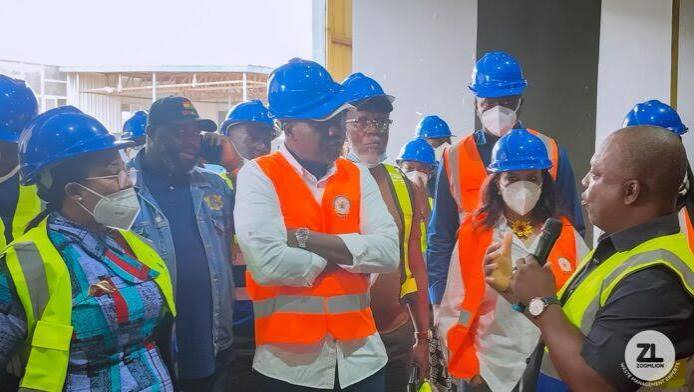
The policy shift emerged during a high-profile tour of key sanitation facilities in the Greater Accra Region, including the Accra Compost and Recycling Plant, the Achimota Waste Transfer Station, the Jamestown Waste Transfer Station, and the Kpone landfill site.
Spearheaded by Mahama Ayariga alongside the Mayor of Accra, Michael Allotey, and representatives from the Accra Metropolitan Assembly, the delegation also featured Dr. Fatima Elsheikh, the Vice President for Operations and Secretary General of the Arab Bank for Economic Development in Africa.
This tour served as a diagnostic assessment of the profound gaps within the waste collection, transportation, and treatment value chain. Observing the operations of these vital sanitation hubs, many of which are managed as subsidiaries of the Jospong Group of Companies, the Minister emphasized that while the physical infrastructure and technology are readily available, the primary obstacle facing the sector is systemic organization.
Central to this new policy direction is the Minister’s firm stance that the District Assemblies Common Fund must no longer be utilized to subsidize the lifestyles of residents and businesses in Accra.
Follow the Ted News Ghana Channel on WhatsApp
Ayariga argued that the Common Fund is constitutionally distributed to support development across the entire country, meaning that using these resources to clean up Accra's refuse amounts to diverting funds from poorer districts.
He pointed out that it is highly unfair for resources meant for infrastructural development in Nadowli to be consumed by waste management bills in the capital. Instead, the administration is strictly advocating for the polluter-pays principle, asserting that every household, property owner, and business in Accra must take direct financial responsibility for the waste they generate.
Factories and industrial owners who attract large workforces to the capital and make massive profits from their operations must account for their environmental footprints rather than shifting the burden onto the public purse.
To make this user-funded system viable and affordable, the government plans to target inefficiencies that currently inflate operational costs for private waste collectors. Long travel distances for trucks and poorly organized transport networks currently drive up household fees.
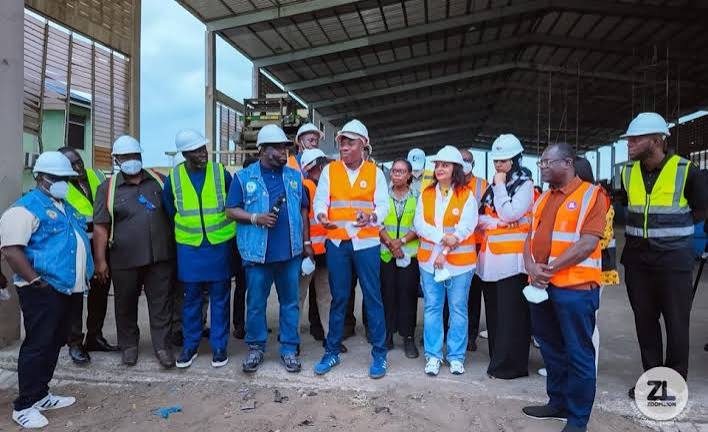
By restructuring the logistics—such as establishing waste transfer stations closer to local communities and bringing treatment and composting plants closer to urban centers—the Ministry aims to slash household waste management costs by up to fifty percent.
Furthermore, the overhaul will address sanitation issues right at the source by introducing household systems that encourage waste separation and segregation, supported by the provision of appropriate bins and receptacles.
To secure the massive capital required for this national transformation, the Ministry is actively engaging with development partners like BADEA to mobilize investment across the entire recycling and treatment value chain, promising complete transparency and accountability in how these public resources are managed.
The proposed overhaul of Ghana's waste management system signals a bold and necessary transition toward sustainable urban living. By enforcing the polluter-pays principle and preserving the Common Fund for its rightful regional development purposes, Mahama Ayariga is challenging Accra's residents and businesses to partner with the state in building a cleaner, more equitable nation.
This initiative is not merely about environmental cleanliness; it is an economic opportunity to create sustainable livelihoods and cement Accra’s status as a premier African business hub.
Also Read: 9-Year-Old Ghanaian Star Maame Yaa Wells Inspires with Debut EP ‘I’m Money’


Comments (0)
No comments yet. Be the first to share your thoughts.