

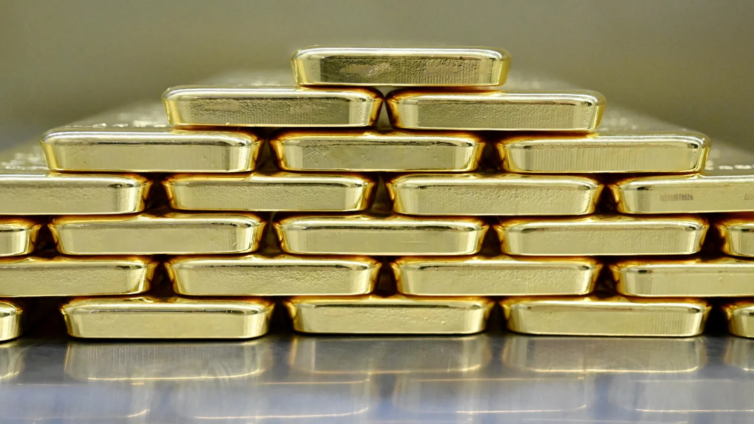
Gold remains the heartbeat of Ghana’s economy, yet recent global tensions have created a complex paradox for the nation’s most precious mineral. While the first half of 2026 saw a marginal dip in the physical volume of gold leaving our shores, the financial returns have reached record-breaking heights.
This shift is primarily attributed to the ongoing Middle East conflict, which has forced a significant restructuring of Ghana’s traditional gold export value chain. According to recent data from the Bank of Ghana and the World Bank, the resilience of the sector is being tested as logistical hurdles meet an unprecedented surge in global gold prices.
Despite the logistical challenges posed by international instability, the financial narrative for Ghana is remarkably positive. Gold export earnings skyrocketed by 49%, jumping from US12.50 billion in the same period of 2026. This massive boost in revenue occurred even as export volumes saw a slight decline of 0.5%, settling at 2.80 million fine ounces compared to 2.81 million the previous year.
The primary driver behind this windfall was a nearly 50% increase in the average realized price of gold, which reached approximately US$4,463.80 per fine ounce. However, the Bank of Ghana has been clear that the slight dip in volume is not a result of lower production, but rather a direct consequence of shipment disruptions triggered by the Middle East conflict.
Traditionally, a significant portion of Ghana’s gold is refined and routed through the United Arab Emirates (UAE), which remains the country's leading destination for gold exports. The conflict necessitated a strategic, albeit expensive, shift in logistics. The World Bank highlighted that
“Ghana’s gold refining routes through the United Arab Emirates were disrupted, requiring costly rerouting to Shanghai and India and adding logistical delays to a key export value chain”.
This rerouting has introduced new complexities and added costs to a sector that is vital for Ghana’s foreign exchange reserves. While the industry has successfully found alternative pathways through Asian hubs, these developments raise critical questions about the long-term resilience of our export routes in an increasingly volatile geopolitical climate.
As of now, it remains uncertain if more permanent, cost-effective alternatives are being established to protect the industry from future regional shocks.
Ghana's gold sector continues to demonstrate incredible strength, successfully turning a period of logistical crisis into a season of record-high earnings. While the Middle East conflict has undoubtedly complicated the journey of Ghanaian gold to the global market, the surging price of the metal has more than compensated for the added costs of rerouting through India and China.
However, for Ghana to maintain this momentum, there must be a continued focus on building more resilient and diverse export routes that can withstand global instability.



Comments (0)
No comments yet. Be the first to share your thoughts.