
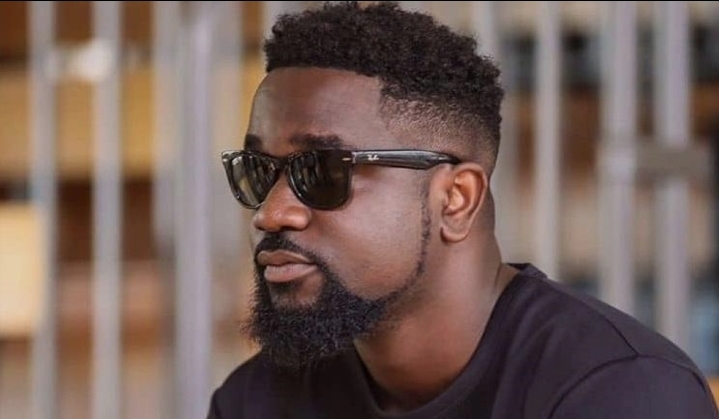
Sarkodie’s call to action touches on a painful reality that many Ghanaian musicians face daily when trying to scale their music careers.
Despite putting together structured business proposals, local artistes frequently find it almost impossible to secure corporate or private financial backing.
This leaves most creators relying heavily on their own limited personal resources to fund studio recording, video production, marketing, and distribution.
This DIY model severely caps their reach and prevents them from competing effectively on international platforms.
To underline the problem, Sarkodie pointed to neighboring Nigeria, where wealthy individuals and venture capitalists routinely take bold financial bets on emerging and established talent.
Explaining the difference in approach, Sarkodie noted:
What Ghanaian artistes do is organic. I give a business plan; even with that, it is hard to get some people to come in. But in Nigeria, I think they take a lot of risks; most rich people take a lot of risks to put their people on.
This willingness to assume financial risk has allowed Nigerian music to build a formidable global infrastructure.
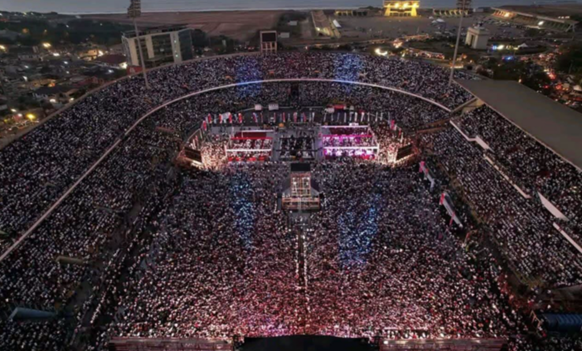
Illustrating what it truly takes to pull off major international projects, Sarkodie cited the immense costs associated with hosting shows at iconic venues like London's O2 Arena.
Stripping away the glamour, he highlighted the brutal financial logistics involved in staging events at that scale, stating:
If I break down what it takes to do the O2 Arena, you will freak out, but then we still have to do it.
To emphasize what structured backing can achieve, the rapper recounted a personal meeting with Nigerian billionaire and business mogul Tony Elumelu.
During their interaction, Sarkodie was amazed to learn the sheer volume of capital Elumelu was personally pouring into a young Nigerian artiste whom he considered the future of Afrobeats.
That experience reinforced Sarkodie's conviction that private financial backing—rather than passive admiration—is the crucial engine needed to elevate an artiste from a local act to a global superstar.
For Sarkodie, investing in music must extend far beyond enjoying the final song on the radio or dancing to it at events.
Strategic capital investment allows artistes to produce world-class projects, run aggressive international PR campaigns, and organize massive global tours.
If Ghanaian business leaders and affluent individuals shift their mindset and begin backing local musicians with real capital, Ghana’s music industry can build sustainable commercial foundations and command its rightful place on the world stage.
Also Read: Ghanaian Content Creator Bongo Ideas Marks Birthday with Polished Studio Portraits on X
Sarkodie’s message is a timely wake-up call for Ghana’s business community and affluent elite.
Ghana possesses the talent, culture, and artistic vision to dominate global music charts, but without substantial financial backing, local musicians will continue to struggle against heavily funded international competitors.
Investing in music is not charity; it is a high-yield commercial opportunity that builds national soft power and creates generational wealth.
Comments (0)
No comments yet. Be the first to share your thoughts.