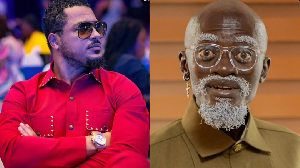
The Ghanaian film industry is currently witnessing one of its most high-profile legal battles as veteran actor, producer, and director Van Vicker takes legal action against his colleague Kwadwo Nkansah, popularly known as LilWin. Tensions between the two Nollywood and Ghallywood/Kumawood heavyweights escalated following public comments regarding a shared film production.
In a court document dated October 10, 2026, Van Vicker officially filed a defamation lawsuit seeking GH¢10 million in damages over claims that he asserts have severely harmed his hard-earned professional reputation. This legal dispute highlights the critical boundary between public relations stunts and actionable defamation within Ghana's vibrant entertainment landscape.
The controversy originated from a series of public statements made by LilWin in a video concerning Van Vicker's alleged failure to carry out his responsibilities on an upcoming movie project titled "Journey to Africa". In the video, LilWin accused Van Vicker of spewing lies, ignoring telephone calls, and failing to perform agreed-upon duties on set despite initially committing to the production.
LilWin further claimed that his production team made multiple attempts to contact Van Vicker without success and accused him of seeking public sympathy by addressing their disagreement in the media. While LilWin indicated that he still considered Van Vicker a friend and expressed willingness to forgive him if he offered an apology, he warned that Van Vicker risked losing his featured role in "Journey to Africa" if he failed to show remorse.
In response to these public accusations, Van Vicker firmly rejected the allegations, famously stating,
"I refuse to be part of any mischievous stunt".
Legal action was formally initiated through his attorney, Ebenezer Asare, who issued the writ of summons. According to Van Vicker’s statement of claim, LilWin’s remarks falsely portray him as dishonest, disrespectful, arrogant, deceitful, and an incompetent professional who accepts film roles but fails to show up for work.
Furthermore, Van Vicker contended that the comments created a damaging and misleading impression that he had been officially banned from participating in Kumawood productions. Denying all allegations of misconduct, the seasoned actor maintained that he remains a disciplined professional who strictly follows movie industry regulations.
Van Vicker’s legal team argued that the statements were published maliciously to expose him to public hatred, ridicule, and criticism while destroying the professional brand he built over many years. A central concern highlighted in the lawsuit is that these defamatory claims remain publicly accessible online and will continue to appear whenever people search for his name on search engines like Google, causing long-term harm to his career.
Consequently, Van Vicker is requesting that the court declare LilWin’s statements defamatory, award general damages for libel, and grant GH¢10 million in exemplary damages. Additionally, the lawsuit demands that LilWin issue a public retraction and apology across news portals with equivalent prominence to the original publication for four consecutive weeks, in addition to covering all associated legal fees.
The legal confrontation between Van Vicker and LilWin marks a pivotal moment in Ghanaian showbiz, underscoring the serious legal responsibilities attached to public statements and professional conduct. With GH¢10 million at stake and demands for a mandatory four-week public apology, the resolution of this case could set a lasting precedent for film collaborations and media engagement across Ghallywood and Kumawood.
As fans and movie industry stakeholders follow the court proceedings, the suit serves as a clear reminder of the importance of protecting personal and professional integrity in the public domain.


Comments (0)
No comments yet. Be the first to share your thoughts.