

Public apprehension surrounding the condition of the iconic venue reached a peak after the former Chairman of the NSA Board, Prof. Fred Awaah, publicly described the facility as a "death trap" and indicated that it would have been demolished had the authority possessed the sole power to make that call.
Addressing these grave safety concerns, the acting Director General of the NSA, Prof. Emmanuel Osei Sarpong, acknowledged that while the stadium suffers from undeniable structural defects, knocking it down is simply not feasible in the interim.
Defending the venue’s ongoing value to the nation, Prof. Osei Sarpong clarified the NSA's position by stating,
For me, Accra Sports Stadium is a very good place. We have an engineering problem and so that is one of the things we are looking at, but we cannot fix everything at a go. We will explore the options to determine whether renovation or building a new stadium would be the best solution.
The root causes of the stadium's current state stem largely from its age and environmental exposure.
Constructed several decades ago, the stadium lacks vital modern infrastructure features, such as a dedicated underground water storage tank, leaving it prone to severe utility challenges.
Furthermore, its close proximity to the ocean continuously accelerates physical deterioration, particularly affecting the plumbing systems.
Prof. Osei Sarpong highlighted these environmental and structural hurdles, noting,
I expected a big stadium like this to have an underground tank, but it was built several years ago. The pipes keep wearing out because of its proximity to the sea.
To manage these vulnerabilities without shutting down sports in the capital, the NSA is opting for a phased maintenance intervention.
Rather than halting all operations, engineers are systematically prioritizing critical gaps to guarantee safety while long-term options are weighed.
Reaffirming this gradual repair strategy, Prof. Osei Sarpong emphasized,
In the interim, we cannot break Accra Sports Stadium down. So we need to look at the gaps one after the other, solve them gradually until we are sure the majority of the gaps are.
The overriding factor compelling the NSA to maintain the stadium's operations is its indispensable role in Ghanaian football.
Currently, the Accra Sports Stadium holds the crucial distinction of being the only stadium in Ghana accredited by the Confederation of African Football (CAF) to host international matches.
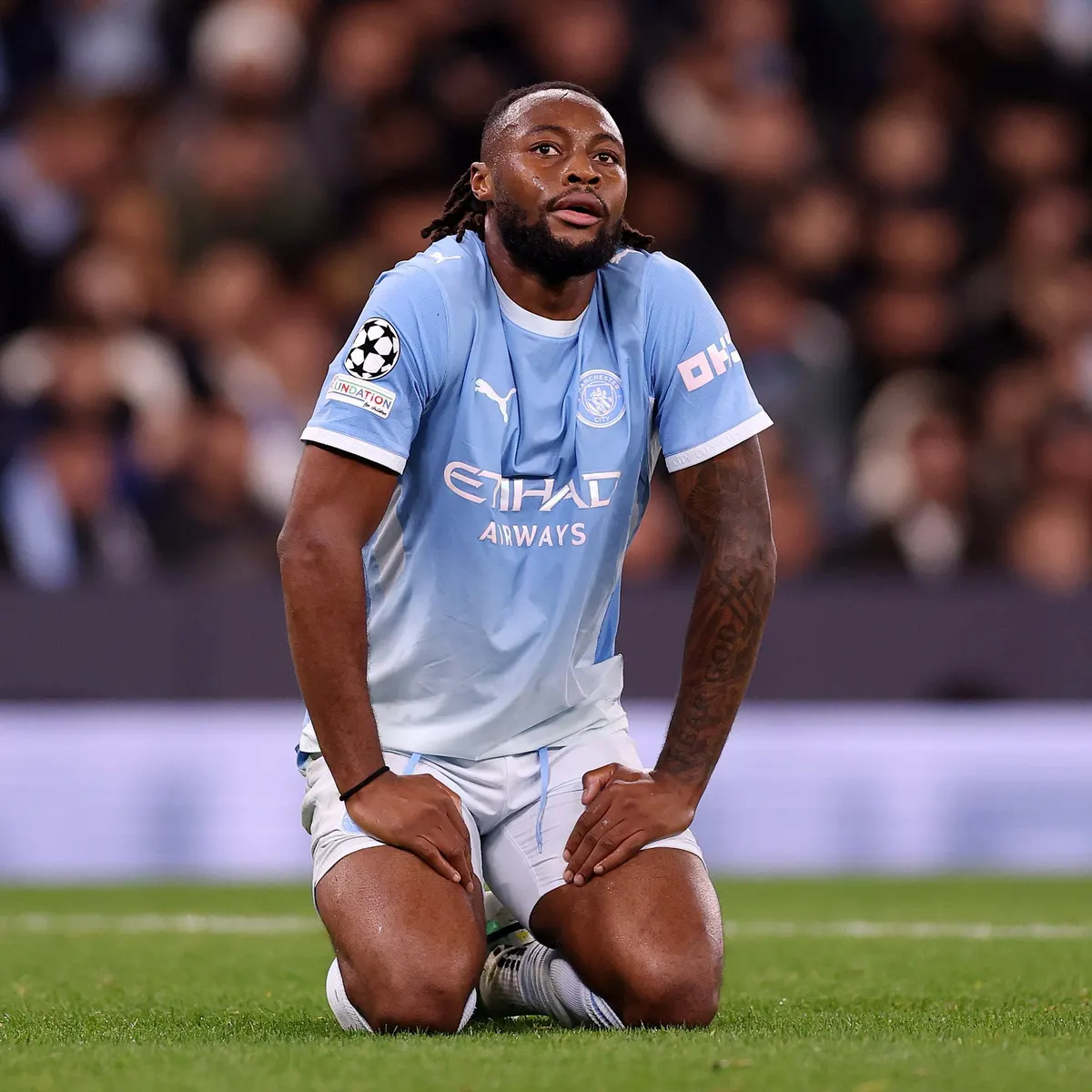
Also Read: Antoine Semenyo Knee Injury: Ghana Forward Sidelined for 8 Weeks
Ceasing operations entirely would leave national teams and domestic clubs without a approved venue, forcing the NSA to carefully weigh immediate, stage-by-stage repairs against the broader question of whether to execute a major renovation or build a new facility altogether in the future.
The engineering challenges facing the Accra Sports Stadium illustrate the delicate balance between maintaining historic sports infrastructure and ensuring public safety.
Through a gradual, phased renovation approach, the NSA aims to address immediate mechanical and structural issues while preserving Ghana's international sports readiness.

Comments (0)
No comments yet. Be the first to share your thoughts.