

The proposed vaccine production facility forms a cornerstone of a broader national strategy designed to guarantee health sovereignty and insulate the country from global supply chain disruptions.
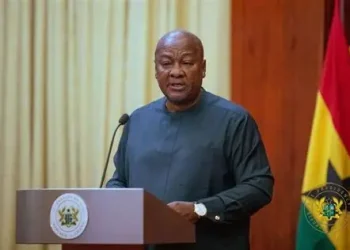
Addressing chiefs from the Western North Region during a courtesy call, President Mahama reflected on the harsh lessons exposed by the recent global health crisis, emphasizing that Africa can no longer afford to sit at the periphery of global pharmaceutical distribution.Recalling the struggles faced during the height of the pandemic, Mahama noted, 
"We learnt a lesson from COVID-19. When vaccines became available, Africa was placed at the end of the queue.Everybody received vaccines before us".He warned of the grave risks posed by over-reliance on foreign imports, stating,"If God had not given us immunity that prevented COVID-19 from affecting us severely, the whole of Africa could have been wiped out before even one vaccine arrived here".
Driven by these experiences, the government is championing the Accra Reset framework—a strategic effort focused on investing directly in the health of Ghanaians while building local industrial power.
Under this initiative, the government has already acquired dedicated land equipped with essential utilities, including roads, electricity, and water, which has already drawn keen interest from major foreign pharmaceutical enterprises looking to establish operations in the country.
Crucially, the pharmaceutical hub is integrated into Ghana’s transformative New Economy Policy, a comprehensive five-year initiative allocating US2 billion annually to boost local production and stimulate job creation.
In a significant departure from past practices, the government has declared that the entire program will be financed internally without resorting to external debt. Emphasizing fiscal discipline and economic self-reliance, President Mahama stressed,
"This is our own money. We are not going to borrow money for the New Economy Policy”.
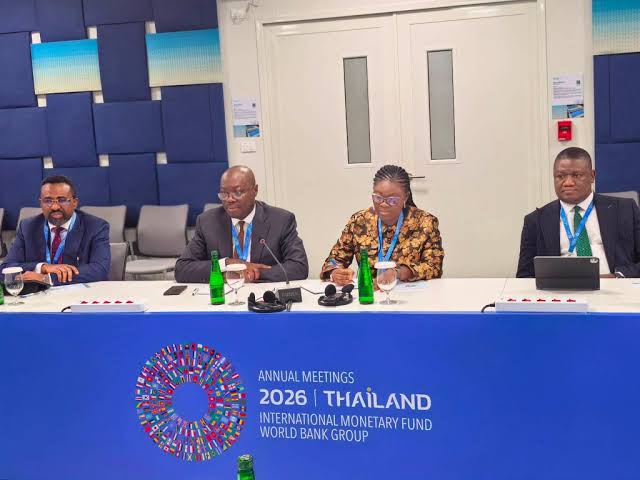
This funding strategy aligns with recent economic stabilization efforts,where disciplined government spending funded through tax revenues and exchequer returns has helped lower Treasury bill rates from nearly 29 percent down to approximately 7 percent, freeing up capital for private-sector expansion. Supported by favorable domestic macroeconomic growth—with the International Monetary Fund projecting Ghana's growth rate at 5.7 percent—the establishing of the vaccine hub stands as both a vital healthcare safeguard and a catalyst for industrial employment across Ghana.
Ghana’s bold initiative to construct a domestic vaccine production hub represents far more than an industrial project;it is a vital declaration of national resilience and health sovereignty.
By channeling non-borrowed capital through theNew Economy Policy into local pharmaceutical manufacturing, the nation is establishing a proactive defense against future public health crises while driving sustainable domestic employment.
As foreign and local investors look toward Ghana's emerging pharmaceutical zone,the country is well-positioned to transform from a health dependent recipient into an indispensable medical export center for West Africa.

Comments (0)
No comments yet. Be the first to share your thoughts.