
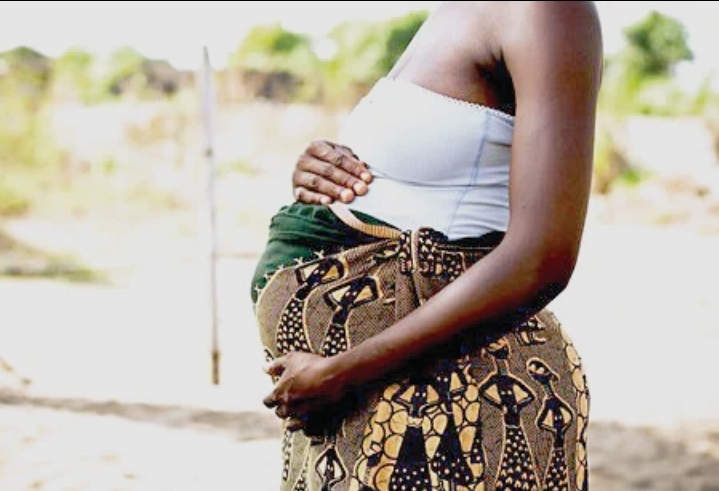
Adolescent pregnancy in Ghana remains a major socio-economic and public health concern that directly affects young women's health, education, and long-term career prospects.
Recent health data underscores the alarming scale of this issue, revealing that tens of thousands of school-age girls across the country face disrupted education, societal stigma, and psychological stress each year.
Between January and July 2026, the Ghana Health Service recorded 53,415 adolescent pregnancies nationwide.
These figures were highlighted by Perpetual Opata, a counselling psychologist and member of the CAMFED Association, during the 2026 International Day of the Girl Child commemoration held at the Madina Technical Institute in Accra under the theme, Skills Over Early Marriage: Unlocking Girls' Potential Through TVET.
Public health experts emphasize that these statistics reflect only the young women who formally visited health facilities, meaning the true total of teenage pregnancies across Ghanaian communities is likely significantly higher due to unrecorded cases.
The data shows significant regional disparities in teenage pregnancy rates across the country.
The Savannah Region recorded the highest proportion of adolescent pregnancies at 25.9%, reflecting severe socio-economic challenges and vulnerability among young girls in the area.
Conversely, the Greater Accra Region recorded the lowest proportion at 6%. Psychologically, early pregnancy exposes young girls to deep emotional distress, fear, social isolation, and shame, often triggering long-term mental health struggles during critical developmental years.
Educationally, many adolescent mothers are unable to return to school after childbirth as a result of heavy childcare responsibilities, financial hardships, and persistent social stigma.
To break this cycle, education advocates and health experts are pointing toward Technical and Vocational Education and Training (TVET) as a powerful path to financial self-reliance and an effective alternative to child marriage.
Dr. Eric Kofi Adzore, Director-General of the Ghana TVET Service, explained that systemic issues such as poverty, restricted access to education, and entrenched social expectations push young girls into premature motherhood and early marriage.
He urged parents, traditional rulers, and religious leaders to actively dismantle cultural practices that encourage child marriage, while calling on educational institutions to create safe, supportive learning environments for all female students.
Creating protective learning spaces is equally essential to keeping girls in school. Speaking as the Special Guest of Honour, Patricia Bossoh, Programme Component Head at GIZ, stressed the need for strict institutional safeguarding systems to protect female trainees from sexual abuse, harassment, and unfair treatment.
Referencing recent abuse allegations involving the headmaster of Obuasi Senior High Technical School, she highlighted the vital need for institutional accountability and rule of law, declaring:
A girl should never have to choose between her education and her safety.
Supporting this vision, Vivian Azumah, Principal of the Madina Technical Institute, appealed directly to parents and guardians to prioritize technical training for their daughters before considering marriage, explaining that practical skills empower young women to earn a living and actively contribute to national economic growth.
The record of 53,415 adolescent pregnancies in seven months is a stark reminder of the urgent work needed to safeguard young women across Ghana.
Also Read: NACOC Arrests Three Foreigners in Ghana Over 46.7kg Beirut Cocaine Seizure
Overcoming this crisis demands coordinated action from families, traditional leaders, religious authorities, and government institutions to eradicate child marriage and enforce strict safety standards in schools.




Comments (0)
No comments yet. Be the first to share your thoughts.