
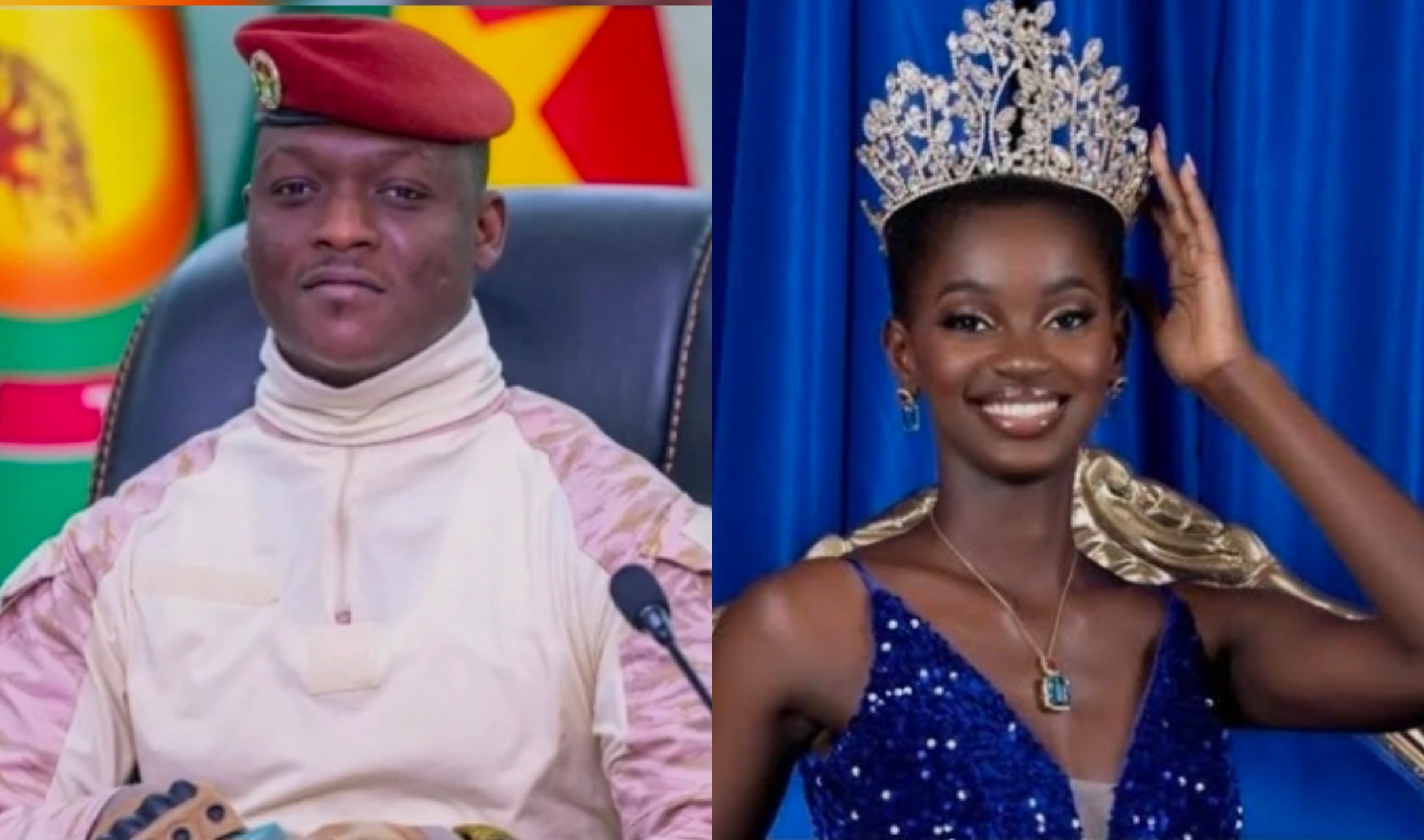
The nation's cultural transformation officially began in June 2026, when Burkinabè authorities suspended beauty pageants nationwide pending the introduction of new regulatory frameworks.
Official statements confirmed that the decision was taken to safeguard the country's cultural identity, social values, and human dignity.
Moving quickly from suspension to positive action, the Presidency launched HAKILI Mousso two months later in August 2026—a national science competition specifically created to identify, celebrate, and support talented young women in scientific disciplines.
The inaugural national contest brought together 84 ambitious young women who demonstrated their academic brilliance in core fields: mathematics, physics, and chemistry.
To support their ongoing educational journeys, top performers received national recognition, valuable prizes, and academic scholarships.
Demonstrating high-level state backing for the initiative, President Ibrahim Traoré personally met with the competition winners, encouraging them to have confidence in their abilities, pursue long-term careers in science, and set ambitious goals for their futures.
Beyond rewarding individual talent, HAKILI Mousso serves as a national platform designed to challenge gender stereotypes and inspire more girls to consider careers in scientific research and technical professions.
However, educational commentators note that a single competition cannot single-handedly dismantle the systemic barriers limiting female participation in STEM.
Translating raw talent into lasting professional success will require sustained long-term investment in girls' education, access to quality science teaching, mentorship programs, and clear pathways into higher education and employment.
Also Read:US Deportation List: 30 Nigerians Charged with Fraud.
Burkina Faso’s transition from beauty pageants to the HAKILI Mousso science competition represents an inspiring step toward empowering young women and fostering a culture of innovation.
While continued investment in education and mentorship remains essential for long-term progress, prioritizing academic achievement over superficial aesthetics offers a compelling blueprint for youth development across Africa.




Comments (0)
No comments yet. Be the first to share your thoughts.