
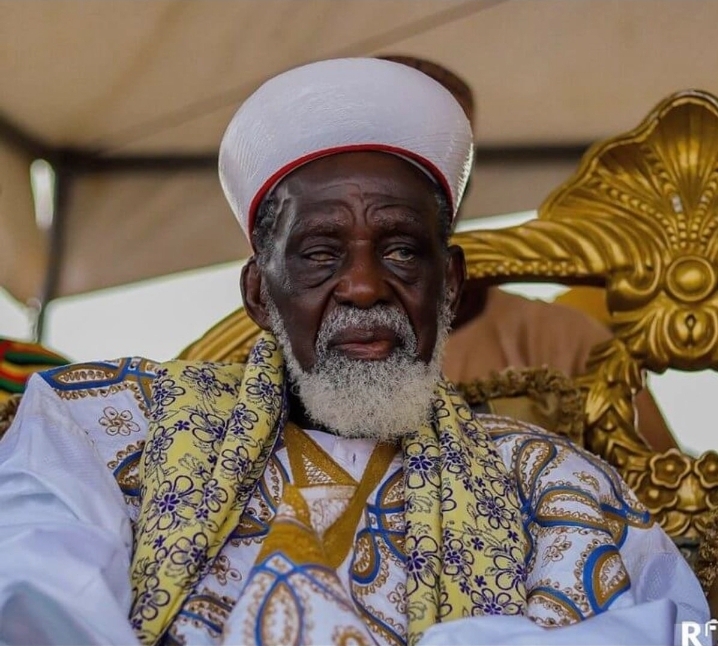
Recently, the National Chief Imam officially voiced his support for the Ministry of Education's decision to introduce Arabic as an optional subject in public schools.
This endorsement comes at a pivotal time when the nation is debating the balance between preserving local heritage and embracing the linguistic tools required for modern global competition.
By backing this policy, the Chief Imam highlights the practical, rather than purely religious, benefits of multilingualism in our current educational framework.
A press statement issued by Dr. Abubakari Mohammed Marzuq Azindoo, the Personal Assistant to the National Chief Imam, clarifies that Arabic should be viewed as a global language essential for diplomacy, science, and commerce.
This move aligns with the recent announcement by the Minister of Education, Mr. Haruna Iddrisu, regarding the introduction of both Arabic and Chinese as elective subjects.
While some stakeholders have expressed concerns that foreign languages might overshadow Ghanaian languages, the Chief Imam’s office maintains that “an increasingly interconnected global economy, equipping the youth with diverse linguistic skills is a strategic investment in their future”.
Arabic is notably one of the six official languages of the United Nations and serves as a primary mode of communication across several of the world's most economically vibrant regions.
To ensure the highest standards, the Office commended the Ministry for involving the National Council for Curriculum and Assessment (NaCCA) to provide a standardized curriculum and quality assurance. This structured approach is expected to empower students to participate more effectively in international trade, research, and diplomacy.
Also Read: GPRTU Issues Stern Warning Against Unilateral Transport Fare Increases in Ghana
Furthermore, the Office welcomed the Ministry's assurance that the subject remains strictly optional, ensuring it does not interfere with the secular character of the public education system or the constitutional guarantee of religious freedom in Ghana.
Drawing a parallel to other foreign languages like French, German, and Spanish, the statement noted that Arabic serves to enrich academic development without altering a student's cultural or religious identity. Ultimately, the public and educationists are encouraged to approach the policy with objectivity, relying on facts from credible sources to avoid the pitfalls of misinformation.
The support from the National Chief Imam underscores a forward-thinking approach to education in Ghana, focusing on the tangible benefits of linguistic diversity in a globalized world. By treating Arabic as a strategic academic tool rather than a religious requirement, the policy aims to give Ghanaian students a competitive edge in international markets.



Comments (0)
No comments yet. Be the first to share your thoughts.