

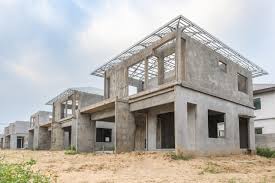
The Combined Prime Building Cost Index (PBCI)—which tracks the cost of essential building inputs relative to a 2023 baseline—stood at 138.4 in August 2026,up from 132.3 a year prior, with a 12-month average inflation rate of 4.3%. On a month-on-month basis, construction input prices experienced a minimal rise of just0.1% between July and August 2026.
Explaining the practical significance of these numbers, the Ghana Statistical Service noted in its bulletin,"
In simple terms, the Combined Prime Building Cost Index shows whether it is becoming more expensive or cheaper to build compared to a previous period".
Government Statistician Dr. Alhassan Iddrisu reinforced the broader outlook at the official release, stating that "the key message from the latest PBCI is that building inflation remains low overall, while plant, tools and selected installation materials have emerged as the main pressure points"
A closer look at the data reveals that construction expenses are not moving uniformly across all categories.Construction materials remain the primary driver of overall price changes,carrying a massive76.5% weight in the PBCI basket and accounting for 96.5% of the total upward movement in building inflation.Inflation within the material group increased to 5.8% year-on-year in August, up from 5.1% in July.
Specific finishing and installation inputs saw sharp increases: plumbing surged by 26.1%,reinforcement bars rose by 24.2%,roofing sheets jumped 21.7%, and glazing climbed 20.4%. Furthermore, 14 out of the 23 sub-groups tracked by the GSS recorded inflation rates above the 4.6% national building average.
Conversely,builders looking to lay foundations or put up blockwork received welcome relief from key structural inputs.Heavyweight materials recorded notable year-on-year price declines,with steel dropping by 8.9%, cement falling by 7.1%, and fine aggregates (sand) easing by 5.1%.
These drops helped offset spikes in finishing supplies, demonstrating that strategic timing in procurement can yield substantial savings on project sites across Accra,Kumasi, and beyond.
Machinery and plant hire represent another critical factor impacting current site estimates.Although the plant and equipment group comprises only a 4.0% weight in the overall index basket, it generated 15.6% of the total headline inflation rate due to an elevated group inflation rate of 17.9% in August.
Small tools jumped by 23.4%, while general machinery and equipment costs rose by 10.7% over the year. In contrast, labor costs actively moderated overall building inflation.
The labor group recorded a negative inflation rate of-2.9% in August, as skilled labor costs fell by 1.8% and unskilled labor costs decreased by 4.6% year-on-year.Overall, labor contributed a negative 12.1% to headline building inflation, cushioning developers against high equipment and finishing material costs.
To successfully navigate this mixed pricing landscape, the Ghana Statistical Service advises contractors, property owners, and investors to base bids and estimates on live market evidence rather than fixed historical averages.
Adopting flexible procurement models and inserting clear, transparent price-adjustment clauses into construction contracts can protect both clients and builders from unexpected spikes in high-risk categories like plumbing and hired machinery.
Emphasizing the broader role of accurate economic data in national progress, Dr. Alhassan Iddrisu remarked,"
Statistics are not just numbers; they are the foundation for sound decisions and national progress".
While Ghana’s building cost inflation edged up to 4.6% in August 2026,the overall construction environment remains vastly more stable than the double-digit inflation seen in 2025.
With lower cement and steel prices offsetting cost pressures in machinery and plumbing, proactive developers have a clear opportunity to optimize project delivery.



Comments (0)
No comments yet. Be the first to share your thoughts.