

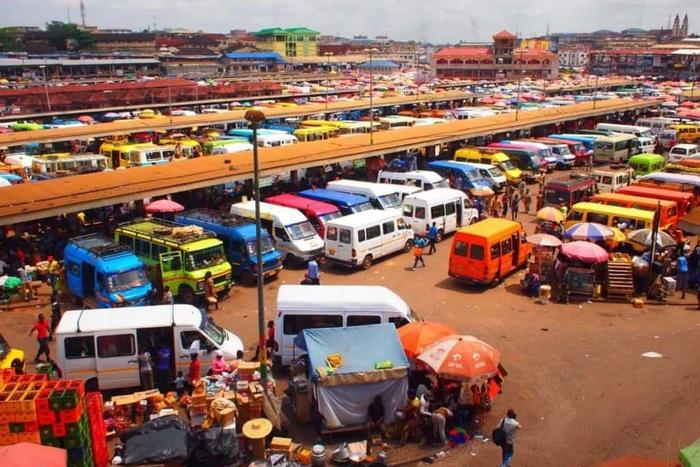
Daily commuters across Ghana face severe travel disruptions as major commercial transport unions have declared a nationwide grounding of all commercial vehicles scheduled for Wednesday, 4th November, 2026. This urgent public announcement comes directly from the combined leadership of the country's most prominent transport unions, protesting against systemic neglect regarding road management and enforcement.
For millions of Ghanaian workers, students, and traders who depend daily on trotro services, taxis, and shared commercial buses, understanding the root causes of this industrial action and how long it may last is crucial for navigating alternative transit plans across major urban corridors.
The joint public notice was issued on 1st November 2026 by the leadership of the Ghana Private Road Transport Union (GPRTU of TUC), the Commercial Transport Operators of Ghana, the True Drivers Union, the Ghana Committed Drivers Association, and the Concerned Drivers Association of Ghana.
In their official communication to all commuters and the general public, the unions announced with deep regret that no commercial vehicle will be moving on Wednesday, 4th November, 2026. Furthermore, union executives explicitly instructed all commercial drivers nationwide to park their vehicles on that Wednesday until further notice.
The primary catalyst for this drastic shutdown stems from what driver unions describe as a total neglect and failure by the central Government and the Ghana Police Service to enforce Legislative Instrument (L.I.) 2195 Regulation 142. This specific legal regulation explicitly prohibits trading activities on designated bus stops and pedestrian walkways.
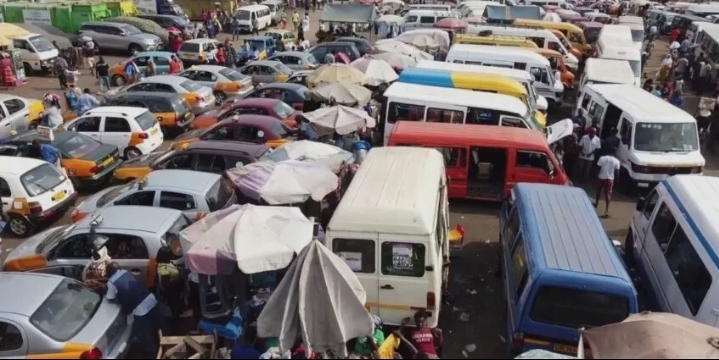
Transport leadership emphasized that while unauthorized traders and hawkers continue to take over passenger loading zones and designated bus stops without police intervention, the Government is aggressively rolling out TRAFFITECH-GH automated traffic surveillance cameras to heavily fine and penalize commercial drivers.
Drivers express intense frustration that they are caught in an unfair enforcement trap: they are unable to pick up or alight passengers in designated bus bays due to heavy market encroachments, yet automated enforcement systems penalize them for pulling over on road shoulders. Highlighting this untenable operating environment, the union leadership remarked,
"We cannot operate in bus stops occupied by traders and still be fined by cameras".
The notice carries the backing of prominent commercial driver leadership, including Samuel Amoah (National Deputy PRO, GPRTU of TUC), Asonaba Nana Owiredu (National Chairman, Commercial Transport Operators of Ghana), Paa Willie (National Chairman, Concerned Drivers Association of Ghana), David Agboado (National PRO, Concerned Drivers Association of Ghana), and Yaw Barimah (National PRO, Commercial Transport Operators / True Drivers Union).
Addressing the inevitable national paralysis, union executives stated,
"We apologize for the inconvenience, but we are left with no option".
Commuters across major hubs including the Greater Accra Region, Ashanti Region, and surrounding regional transit corridors must prepare for extensive ground transport freezes if tripartite dialogue between the Ministry of Transport, the Ghana Police Service, and union representatives fails to yield an enforcement resolution before the scheduled date.
The upcoming commercial transport strike marks a critical standoff between Ghanaian transport operators and regulatory authorities over fair enforcement and road infrastructure management. With five major transport associations standing together, the strike will take effect on Wednesday, 4th November, 2026, until the government actively addresses the enforcement of L.I. 2195 and concerns surrounding TRAFFITECH-GH. Commuters are strongly advised to rearrange travel schedules, plan carpools, or shift non-essential tasks away from Wednesday to avoid being stranded.


Comments (0)
No comments yet. Be the first to share your thoughts.