

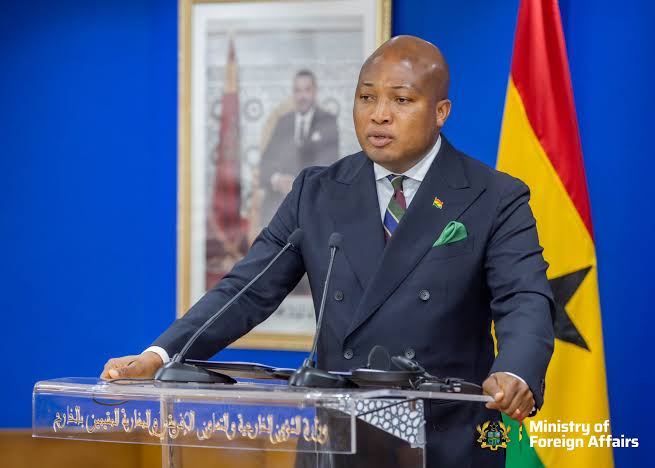
The momentum behind Ghana's expanding visa-free network gained major traction following a bilateral meeting between Foreign Affairs Minister Samuel Okudzeto Ablakwa and Tunisia's Minister of Foreign Affairs, Migration and Tunisians Abroad, Ali Nafti. During the discussions, both nations formally agreed to initiate immediate negotiations toward establishing a reciprocal visa waiver framework, which will allow citizens of Ghana and Tunisia to travel between both countries without visa hurdles under agreed conditions.
Describing the encounter on social media, Mr. Ablakwa noted that he held a "meaningful and results-driven bilateral meeting" with his Tunisian counterpart, setting a constructive tone for North-West African diplomatic ties. In addition to visa negotiations, Ghana and Tunisia reached a consensus to reactivate their Permanent Joint Commission for Cooperation (PJCC), establishing a structured framework to deepen bilateral ties across key priority sectors including education, tourism, sports, agribusiness, trade, and maritime affairs.
Furthermore, both countries indicated strong openness to establishing permanent diplomatic missions in Tunis and Accra as soon as practicable, solidifying long-term diplomatic and commercial cooperation.The diplomatic outreach extends beyond the African continent, reflecting a growing international appetite to partner with Ghana. Highlighting the expanding scope of these negotiations, Mr. Ablakwa shared that European nations are also coming to the table, stating, “Last week, Slovakia expressed interest, adding to a growing number of active visa waiver discussions. We expect to sign more Visa Waiver Agreements before the end of 2027.”
According to the Foreign Ministry, this rising interest from diverse global partners reflects increasing international confidence in Ghana's economic stability, democratic governance, and security architecture. The minister reinforced that the government remains steadfast in its mandate to enhance the value, security, and prestige of the Ghanaian passport.
By systematically securing visa-free and visa-on-arrival entry agreements, Ghana is not only reducing travel barriers for its citizens but also positioning itself as an influential diplomatic hub that fosters seamless cross-border partnerships, commercial investments, and cultural integration.
Ghana's target to finalize key visa waiver agreements by the end of 2027 marks a decisive step toward empowering its citizens with greater freedom of global movement. From initiating negotiations with Tunisia to receiving formal interest from European partners like Slovakia, the nation's foreign policy is actively translating diplomatic engagement into tangible benefits for everyday Ghanaians.
As these agreements take shape, the Ghanaian passport is poised to gain increased respect and utility on the world stage. To stay ahead of the curve, Ghanaian travelers and business operators should closely monitor official diplomatic updates, review travel entry regulations prior to planning international trips, and explore new business opportunities across emerging partner destinations.

Comments (0)
No comments yet. Be the first to share your thoughts.