

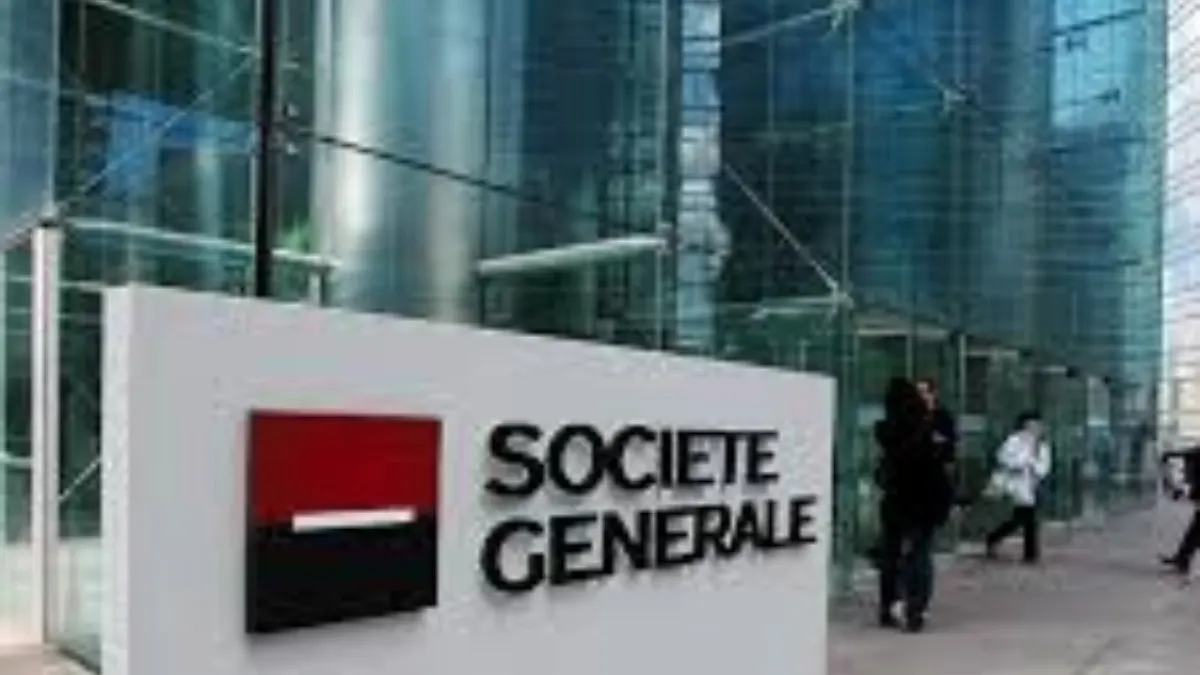
Ghana’s financial sector is witnessing a major transformation as European banking institutions re-evaluate their footprints across the continent. In a landmark deal, French financial giant Société Générale has agreed to sell its entire 60.22% majority stake in its Ghanaian subsidiary. The acquisition brings an end to direct French group ownership of the bank, transferring control to Moroccan pan-African leader Attijariwafa Bank and Ghana’s Social Security and National Insurance Trust (SSNIT). For Ghanaian banking customers, investors, and industry watchers, this deal highlights a powerful broader shift toward intra-African banking capital and institutional local ownership.
Under the terms of the transaction, Attijariwafa Bank will acquire a controlling 55.22% stake in Société Générale Ghana, while SSNIT will take up the remaining 5%. The agreement ensures that once full regulatory approval is secured from authorities such as the Bank of Ghana, Attijariwafa Bank will assume complete operational oversight, retaining the bank’s existing customer base and employee workforce. The official Bank of Ghana register currently continues to list 23 universal banks—including Société Générale Ghana and Standard Chartered—confirming that the regulatory framework remains stable while completion procedures progress.
This transaction comes after months of strategic deliberation within the French parent group. Société Générale initially announced in May 2024 that it was reviewing the future of its operations in Ghana. Although local management originally addressed market speculation by stating that "no decision had been taken," the parent group subsequently confirmed a formal strategic review of its 60.22% holding. By March 2025, the Bank of Ghana acknowledged that prospective buyers were actively engaging central bank officials regarding the proposed acquisition.
Société Générale's exit reflects a widespread trend among European and British financial conglomerates reducing exposure to several African markets. Major global institutions—including Barclays and Standard Chartered—have reassessed their presence on the continent, with analysts pointing to factors such as local profitability, risk management, and overall global alignment. In Ghana, this pattern was previously observed when Bank of Baroda wound up its operations in 2018, with Stanbic Bank acquiring its deposits and loan assets. More recently, Standard Chartered revealed plans to explore selling its Wealth and Retail Banking division in Ghana over an 18 to 24-month period while keeping its Corporate and Investment Banking operations intact.
Despite the exit of Western parent firms, financial assets in Ghana are not disappearing; rather, ownership is transitioning into the hands of strong pan-African banking groups and local public institutions. Attijariwafa Bank brings extensive pan-African banking expertise from Morocco, while SSNIT’s participation deepens Ghanaian state institutional equity in the financial system. This shift highlights a resilient banking ecosystem where regional capital steps up to drive sustainable economic growth across Ghana.
The acquisition of Société Générale Ghana by Attijariwafa Bank and SSNIT marks a significant milestone in Ghana's economic narrative. While international banking structures evolve, seamless operational continuity guarantees that Ghanaian depositors and employees remain protected throughout the transition. As African-owned financial institutions take center stage, the future of banking in Ghana looks increasingly driven by regional synergy and local institutional partnership.



Comments (0)
No comments yet. Be the first to share your thoughts.