

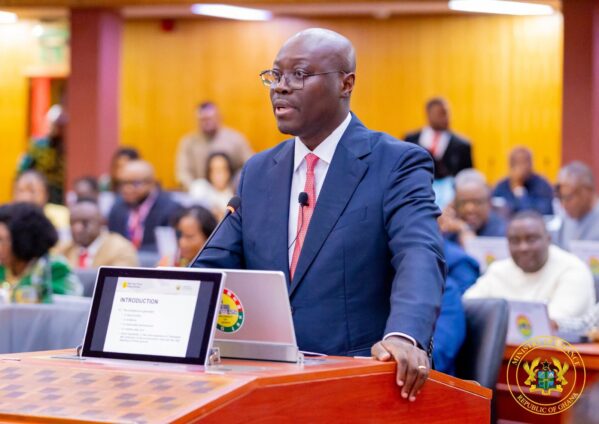
As Ghana moves past initial macroeconomic stabilization, national attention turns to the parliamentary floor where the future direction of the economy will be unveiled. Finance Minister Dr. Cassiel Ato Forson is scheduled to present the 2027 National Budget Statement and Economic Policy to Parliament on Thursday, November 12.
With citizens across the country eager for sustainable employment opportunities and relief, this forthcoming budget presentation is set to place job creation, industrial expansion, and long-term economic transformation squarely at the heart of government policy.
The official date was confirmed in Accra by Deputy Finance Minister Thomas Nyarko Ampem during the ceremonial launch of the Ghana Statistical Service's (GSS) Ghana in Numbers report. Describing the statistical release as remarkably timely, Mr. Ampem emphasized that robust, transparent data is indispensable for effective national development planning and evidence-based policy choices.
To ensure that parliamentary debate on the national budget is both informed and constructive, the Deputy Minister urged the Ghana Statistical Service to provide every Member of Parliament with direct access to its interactive data dashboard. This push for open access underscores a broader commitment to data transparency as the government prepares to pitch its medium-term financial architecture.
Central to the 2027 financial plan is the rollout of the government’s comprehensive "New Economy" agenda. Sources familiar with the preparations indicate that the proposed theme for the budget statement—though awaiting final confirmation—is “New Economy, New Ghana: Jobs and Prosperity”.
This framework marks a deliberate pivot from short-term fiscal containment toward accelerated growth, local value addition, and expanded employment opportunities for Ghanaian workers. The policy ethos reflects Finance Minister Dr. Ato Forson's position that
“Ghana cannot afford to waste public resources; every cedi has a job”.
Consequently, growth-focused spending will target key sectors capable of unlocking domestic production, substituting imports, and generating foreign exchange.
To catalyze this industrial transition, the New Economy blueprint establishes six primary focal areas: maintaining macroeconomic stability; driving commercial agriculture, agro-industry, and agribusiness; instituting energy sector reforms and investments; prioritizing critical minerals and local value addition; expanding cotton, textiles, and garments production; and revitalizing tourism, culture, and the creative arts.
By prioritizing local value addition over raw commodity exports, the administration aims to create factory floor jobs and foster entrepreneurship across both urban centers and rural communities.
Despite the ambitious growth agenda, government officials stress that fiscal discipline will remain non-negotiable. Overall expenditure for 2027 is projected to align with parameters set in the preceding 2026 budget framework, ensuring that national debt and fiscal deficits remain strictly controlled.
However, to unlock revenue for priority development and complete ongoing infrastructure projects, Dr. Forson is expected to propose a slight reduction in the primary surplus target. Macroeconomic targets being prepared for 2027 include an economic growth rate of approximately 5% and an inflation target of 8% (within a two-percentage-point margin).
Ultimately, the strategy seeks to strike a fine balance: protecting vulnerable households and preserving debt sustainability while aggressively investing in Ghana’s structural economic transformation.
The upcoming November 12 budget presentation represents a critical junction in Ghana’s journey toward lasting prosperity. By balancing strict fiscal discipline with targeted investments in agribusiness, energy, critical minerals, and local manufacturing, Dr. Cassiel Ato Forson's economic blueprint aims to turn macroeconomic recovery into tangible employment for the youth. As the nation awaits the formal reading in Parliament, staying informed on these economic policies is vital for business leaders, investors, and everyday citizens alike.



Comments (0)
No comments yet. Be the first to share your thoughts.