

Ghana’s economy has reached a major landmark in 2026, powered largely by exceptional momentum across its mining and extractive sectors. According to official figures from the Bank of Ghana’s Summary of Economic and Financial Data for November 2026, the nation accumulated $30.42 billion from merchandise exports during the first ten months of the year.
This represents an impressive 30 per cent increase over the 31.25 billion generated throughout the entirety of last year, Ghana’s commercial trade balance is demonstrating remarkable strength. For readers tracking Ghana's macroeconomic trajectory, examining the key drivers behind these numbers reveals critical insights into national revenue stability, reserve accumulation, and commercial lending trends.
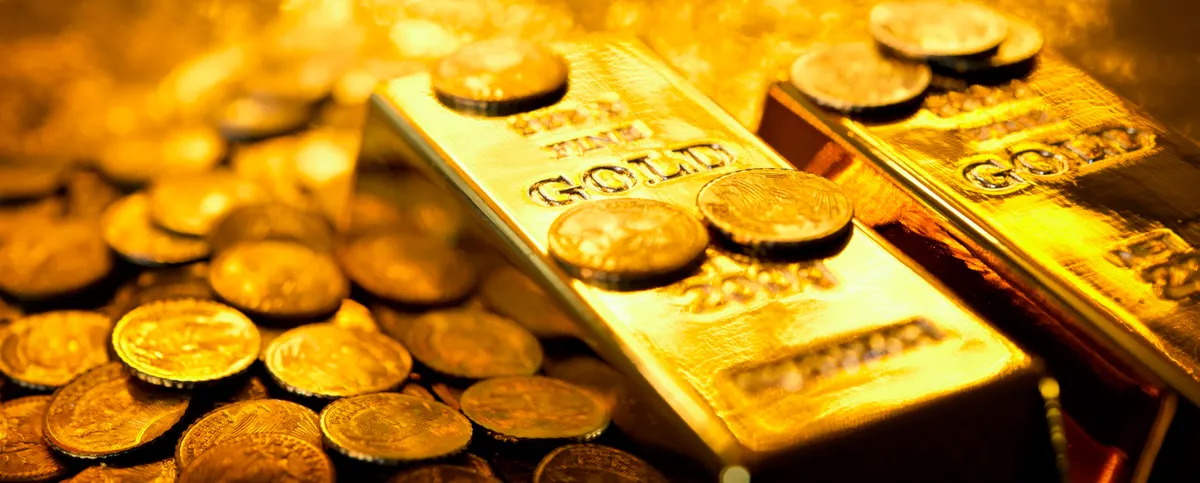
The foundational force driving Ghana's export surge is yellow gold, which brought in an unprecedented $20.92 billion between January and October 2026. Gold currently dominates the country's export revenue, contributing nearly 69 per cent of total export earnings—a notable increase from the $15.25 billion recorded over the corresponding timeframe in 2025.
Major industry players have played a pivotal role in this expansion; for instance, mining giant Gold Fields reported that its flagship Tarkwa mine alone contributed $3.3 billion to Ghana ahead of its upcoming lease determination.
Beyond gold, crude oil exports demonstrated solid performance, rising to $3.28 billion from $2.20 billion in the prior year. Cocoa exports also saw encouraging growth, generating $3.17 billion compared to $2.85 billion in the previous period.
Miscellaneous non-traditional exports held virtually stable at $3.04 billion, slightly under the $3.05 billion registered a year earlier. International trade partnerships also provided a positive lift, highlighted by Ghanaian exports to China reaching $290 million in June alone under the newly introduced zero-tariff policy.
On the import side of the ledger, total merchandise imports expanded to $17.39 billion from $14.62 billion during the same ten-month period of 2025. This rise was led primarily by energy requirements, as oil imports increased to $6.37 billion from $4.29 billion, while non-oil imports grew more moderately to $11.02 billion from $10.33 billion.
Despite higher import expenditures, the massive volume of gold and oil receipts lifted Ghana’s trade surplus to $13.02 billion—a sharp expansion from the $8.74 billion trade surplus achieved a year ago. Supported by this balance of payments strength, gross international reserves stood at $11.90 billion at the end of October 2026, providing 4.4 months of import cover.
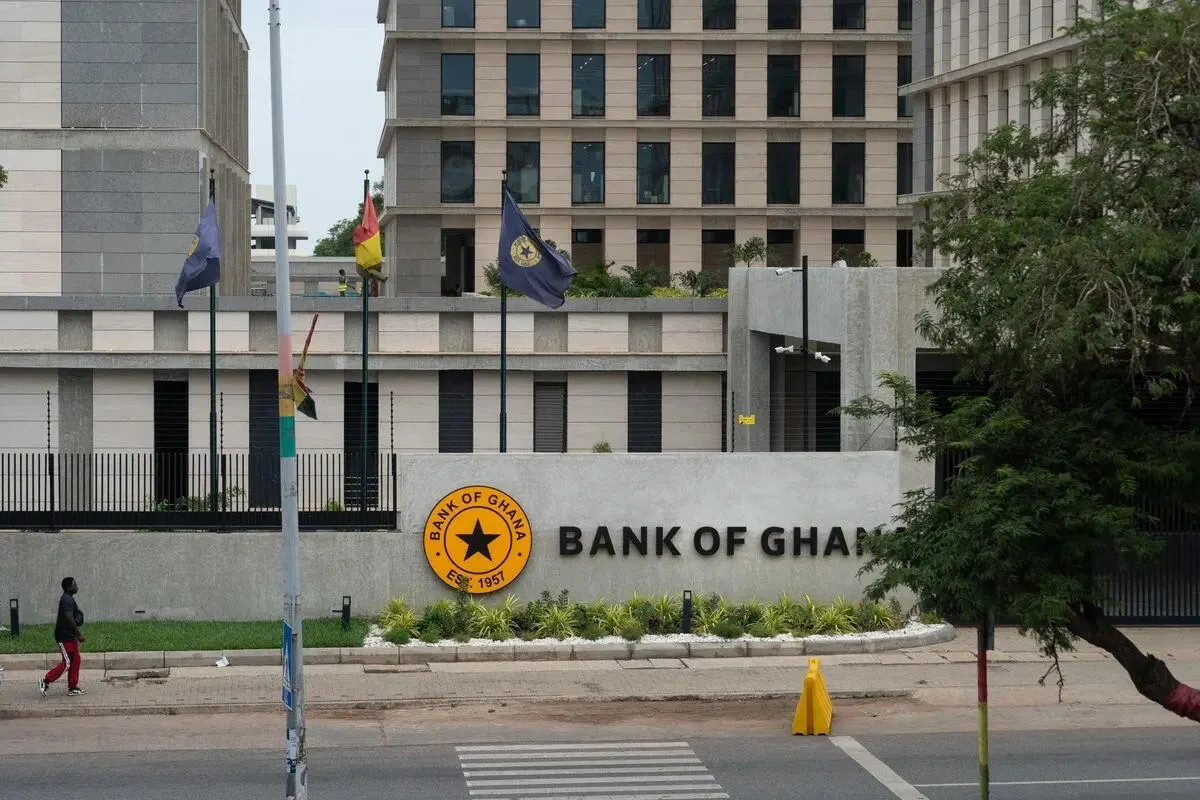
Concurrently, the Bank of Ghana’s domestic gold holdings expanded significantly to 26.2 tonnes, valued at approximately $4.0 billion, up from 18.6 tonnes worth $2.68 billion at the end of 2025. On the domestic financial front, average commercial bank lending rates settled at 15.79 per cent in October 2026, reflecting a substantial reduction from 22.22 per cent a year earlier. The central bank emphasizes that
"all external-sector figures remain provisional and subject to standard periodic revisions."
Ghana’s macroeconomic performance across the first ten months of 2026 highlights the transformative role of high commodity earnings—especially gold—in expanding the national trade surplus, building domestic gold reserves, and softening commercial bank interest rates. As trade agreements such as China's zero-tariff framework mature, maintaining fiscal discipline will be essential to sustained economic growth.


Comments (0)
No comments yet. Be the first to share your thoughts.