

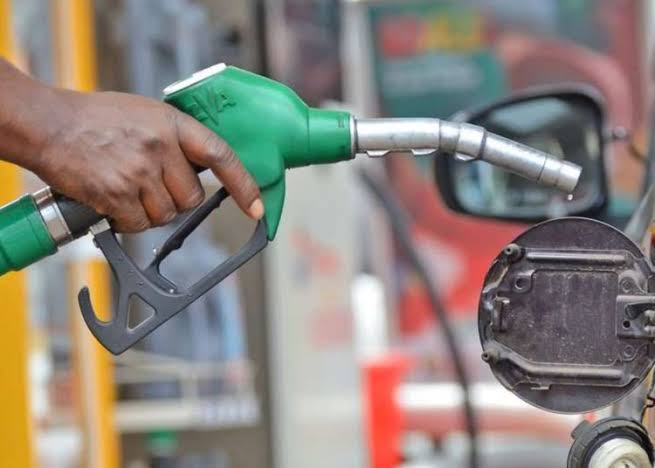
The National Petroleum Authority (NPA) has revised the official minimum floor prices for petrol, diesel, and LPG for the second pricing window of September. Under the updated guidelines, the minimum floor price for petrol has been raised by GH¢1.47 to GH¢16.00 per litre, up from GH¢14.53 in the previous window.
Diesel has seen its floor price increased by GH¢1.17, moving from GH¢15.60 to GH¢16.77 per litre. Households relying on Liquefied Petroleum Gas will also experience a minor increase, with the LPG floor moving up by GH¢0.12 to GH¢10.97 per kilogramme.
However, consumers should note that NPA floor prices represent the lowest permissible rates rather than the final pump figures. Because Ghana operates under a deregulated petroleum pricing framework, individual Oil Marketing Companies (OMCs) and LPG Marketing Companies add their own suppliers' premiums and operational margins, meaning actual ex-pump charges at stations like GOIL, Total, and Star Oil could be significantly higher.
Projections from industry stakeholders indicate that retail prices could rise even further than the NPA minimums. The Chamber of Petroleum Consumers (COPEC) projects that average retail petrol prices will reach approximately GH¢16.26 per litre—a 4.24% increase from current mean levels—with expected retail variations ranging between GH¢15.44 and GH¢17.08 per litre. Diesel is expected to jump even sharper, with COPEC estimating an average price of GH¢19.07 per litre, representing a 10.23% surge.
Meanwhile, projections from the Chamber of Oil Marketing Companies (COMAC) suggest petrol prices could jump by 7.75% to 9.63%, while diesel could increase by 4.26% to 6.97%. COMAC also noted that LPG could register a modest rise between 0.85% and 3.22%.
These sharp upward shifts are primarily driven by severe pressures in the international crude oil and refined product markets. Global crude oil benchmarks escalated rapidly, with Brent crude climbing to about 102.82 per barrel.
According to COPEC’s pricing review, international Free on Board (FOB) prices for petrol jumped 10.08% from US1,251.07 per metric tonne, while diesel FOB prices surged 12.33% from US1,404.73 per metric tonne.
These global market spikes stem largely from geopolitical conflicts and severe energy infrastructure disruptions, including a drone attack that forced a temporary shutdown of Saudi Arabia’s East-West oil pipeline, alongside reduced shipping traffic through the crucial Strait of Hormuz.
Local foreign exchange conditions provided only minimal relief against these heavy international costs. The Ghana cedi recorded a slight appreciation of 0.29% against the US dollar, moving from an interbank rate of GH¢11.5166 to GH¢11.4830 per US$1.
While this minor currency gain helped soften the blow slightly, it was far from sufficient to offset the massive rise in international refined product prices.
Addressing the incoming adjustments, COMAC stated that "the impact on diesel prices will be partly moderated by the government–industry intervention, which will continue to cushion consumers against the full extent of the expected increase."
Nonetheless, as these new rates take effect on September 16, transport operators, logistical firms, and ordinary Ghanaian consumers will inevitably feel the financial strain across transport fares and general goods.
The fuel price increases taking effect on September 16 highlight how global supply chain disruptions directly impact local living costs in Ghana.
With petrol floor prices hitting GH¢16.00 per litre and diesel expected to average GH¢19.07 per litre at many pumps, staying proactive with your fuel consumption and travel planning is essential.


Comments (0)
No comments yet. Be the first to share your thoughts.