

Ghanaian public sector workers are set for a major financial boost following a milestone agreement reached between the government and organised labour. As economic pressures and living costs continue to top public discourse across the nation, this new two-year package provides much-needed clarity regarding upcoming salary adjustments and worker welfare.
Under the newly finalized agreement, civil servants and public sector personnel will receive a 9% pay increase in 2027 and a 10% pay increase in 2028. This comprehensive guide breaks down what the agreement entails, how the adjustments are structured, and what it means for worker purchasing power and salary equity in Ghana.
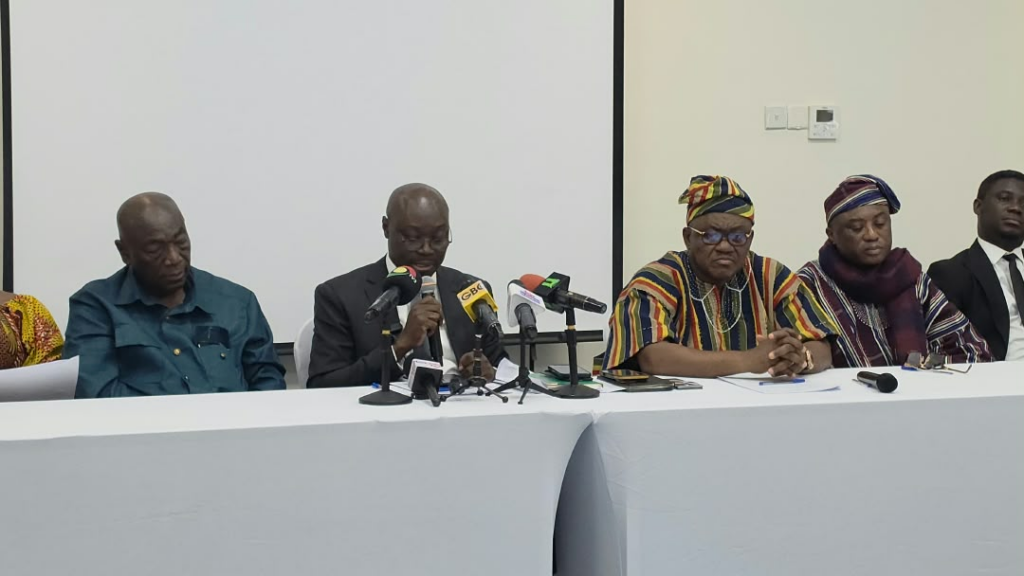
The historic two-year salary pact was finalized under the auspices of the Public Services Joint Standing Negotiating Committee, bringing together government representatives and organised labour leaders. According to the terms of the deal, public sector employees will experience a total remuneration increase of 9% in 2027, followed by a 10% across-the-board salary increment in 2028. This structured, multi-year deal is designed to offer predictability and financial stability for workers across various government ministries, departments, and agencies.
Providing detailed context on the 2027 structure, Joshua Ansah, the Secretary-General of the Trades Union Congress (TUC), explained that the 9% package for 2027 is divided into an 8% rise in base pay alongside a dedicated 1% provision aimed at improving other conditions of service. For 2028, the agreed-upon 10% increment will apply directly to the base pay.
The deliberate inclusion of the extra 1% provision in 2027 specifically addresses longstanding distortions and historical disparities in public sector allowances, ensuring a more balanced and equitable compensation framework. Highlighting the central focus on fairness, Mr. Ansah emphasized:
"Beyond the percentage increases, fairness in the allowances remains a central concern. The additional one per cent provision is intended to help address existing distortions and inequalities in conditions of service, with particular attention to protecting lower-paid and vulnerable workers."
While acknowledging the diverse demands across various labour unions, organised labour views the deal as a pragmatic step forward in safeguarding the livelihoods of Ghanaian families. Reflecting on the outcome of the negotiations, the TUC Secretary-General noted:
"This agreement may not meet every expectation. It represents progress in our efforts to protect workers' purchasing power."
Looking ahead, both organised labour and the government have committed to continuous collaboration throughout the two-year cycle to resolve remaining administrative disparities in public pay structures. Furthermore, Mr. Ansah stressed the necessity of transparent and fair implementation as Ghana prepares to transition from the Fair Wages and Salaries Commission to the newly established Independent Public Emoluments Commission (IPEC).
The 2027 and 2028 public sector pay agreement marks significant progress toward protecting Ghanaian workers' purchasing power and addressing systemic wage inequalities. By pairing base pay increases with targeted provisions for vulnerable employees, the deal balances immediate financial relief with long-term structural reform in public compensation.

Comments (0)
No comments yet. Be the first to share your thoughts.