

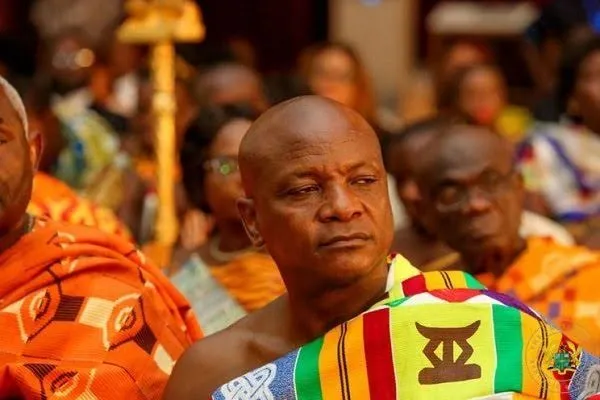
The Volta Region of Ghana stands on the threshold of a major economic transformation, driven by a rich blend of natural assets and strategic infrastructure opportunities. Speaking at the Volta Economic Forum in Ho held as part of the 2026 Asogli Te Za, the Agbogbomefia of the Asogli State, Togbe Afede XIV, issued an impassioned call to domestic and international investors to unlock the region's immense commercial potential.
Centered on the theme "Transforming potentials into wealth for the Volta Region," the forum highlighted how sustainable business partnerships can turn local endowment into shared prosperity and improved living standards. For investors seeking high-impact opportunities in West Africa, the Volta Region presents an unmatched investment landscape across agriculture, mining, infrastructure, and eco-tourism.
Held on Thursday, September 23, 2026, the Volta Economic Forum brought together key stakeholders to align regional development goals with private capital. Overlord of the Asogli State, Togbe Afede XIV, emphasized that the region possesses an extraordinary array of wealth-creating assets that remain underutilized. He stressed on the avalanche of resources in the region,
"including lithium discovered in January 2018, iron ore, fertile agricultural lands, forests, waterfalls, bird species and a vibrant population."
Beyond raw materials, strategic geographical advantages position the region as a central gateway for regional commerce, provided critical infrastructure gaps are bridged.
Togbe Afede noted that
"key opportunities existed in the proposed Keta Harbour, railway development, the Eastern Corridor road, and large-scale agriculture that would have advanced development for the people."
To accelerate modern development, the Asogli State is championing forward-looking spatial and economic projects, including targeted initiatives in medical tourism, a Charter City, a Green City, and an Aeropolis. These projects aim to generate sustainable employment, deliver modern social amenities, and elevate overall living standards across the region.
Despite these rich endowments, the Agbogbomefia candidly observed that pervasive poverty continues to affect many communities, pointing out that happiness the true measure of human development remains elusive for far too many residents. He attributed much of this historical stagnation to poor planning and the politicisation of developmental agendas.
To overcome these structural bottlenecks, structured long-term frameworks are now being executed. These include the Volta Development Plan led by Vincent Azorli, the 20-year Transformation Plan for the Volta Region under Mr. Ahiafor, and coordinated efforts with the Volta Regional House of Chiefs.
Community-driven institutions are also integrating economic empowerment into cultural celebrations. Initiatives tied to Te Za, such as Youth Entrepreneurship Day, Widows Day, and the systematic reorganization of the Asogli State, are mobilising local resources and ensuring ongoing projects are carried through to completion.
For internal and external stakeholders alike, connecting with local partners via Ghana’s Ministry of Trade and Industry and regional investment desks provides a direct path toward participating in these transformative projects.
The 2026 Volta Economic Forum has established a clear roadmap for converting regional resources into tangible wealth and social progress. Through visionary leadership and structured planning frameworks, the Volta Region is ready to transition from potential to industrial reality. Investors, development partners, and entrepreneurs are urged to seize these early-stage opportunities in green energy, infrastructure, and commercial agriculture.

Comments (0)
No comments yet. Be the first to share your thoughts.