

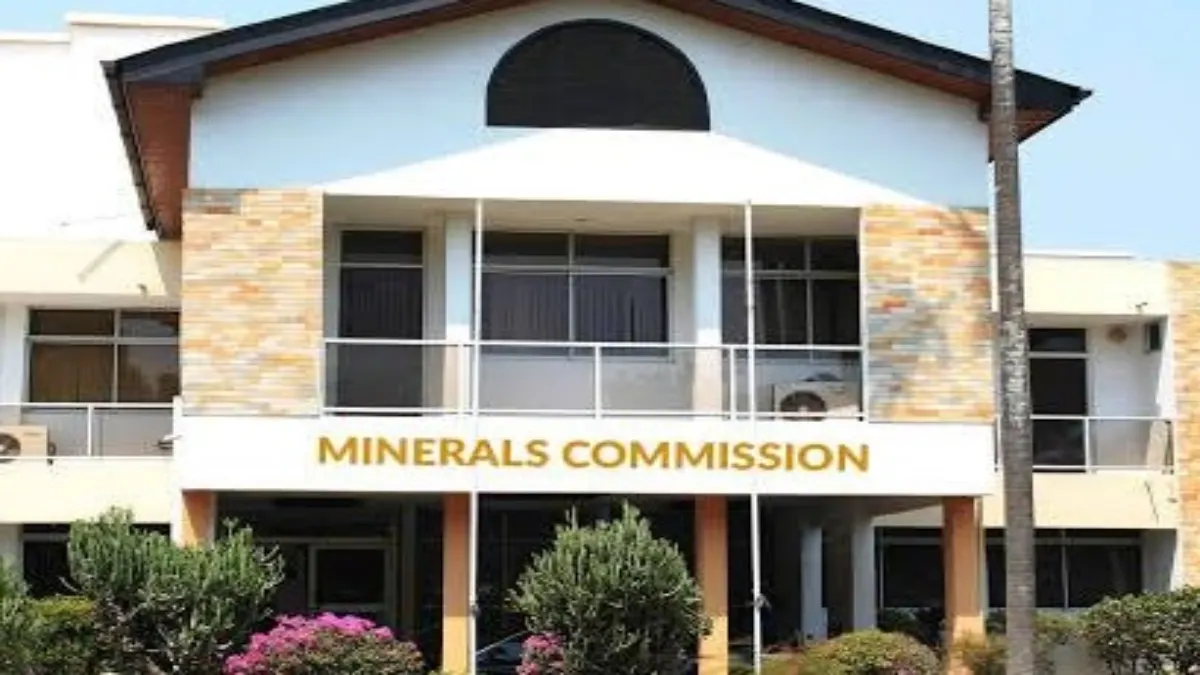
Ghana’s mining sector remains a cornerstone of the national economy, governed by strict regulatory frameworks to ensure lawful and transparent resource administration. Recently, public attention turned to the Minerals Commission’s revocation of the mining leases held by Narawa Company Limited over the Nsutam and Osiem concession areas.
Following media reports from Narawa alleging unlawful lease cancellation and operational takeover, the regulatory body stepped forward to clarify the exact legal sequence and statutory grounds behind its decision. Understanding the facts surrounding this high-profile mining dispute provides vital insight into how mining regulations, statutory fee obligations, and state land reversions are enforced across Ghana's extractive industry.
In a formal press statement issued by its Communications and Corporate Affairs Directorate on October 20, the Minerals Commission categorically refuted claims made by Narawa Company Limited regarding the cancellation of its mineral rights. The regulatory authority stressed that accusations claiming the commission wrongfully, forcibly, or unlawfully ended Narawa's operations and assigned them to an individual are false and misrepresent both the facts and legal sequence of events.
According to the commission, Narawa was the legal holder of the Nsutam and Osiem mining leases and was bound by Section 24 of the Minerals and Mining Act, 2006 (Act 703), as well as Clause 27 of its official lease agreement with the Government of Ghana, to pay mandatory Annual Mineral Right fees. The company defaulted on these financial obligations, accumulating an unpaid debt amounting to USD 909,127.79.
In response to this default, the commission invoked Section 68(2) of Act 703 and Regulation 200(3) of the Minerals and Mining (Licensing) Regulations, 2012 (L.I. 2176) by issuing statutory Notices to Remedy Breach. Narawa, however, failed to settle the outstanding debt within the stipulated period.
As a result of Narawa’s failure to remedy the breach, the Minerals Commission officially recommended the termination of the leases to the Minister for Lands and Natural Resources on July 29, 2025. Ministerial approval for the recommendation was granted on August 19, 2025, culminating in a formal Notice of Termination issued to Narawa on September 3, 2025.
The commission explicitly clarified that upon termination, all mineral rights, interests, and entitlements over the Nsutam and Osiem concessions immediately reverted to the State, leaving Narawa with no valid legal standing. Addressing claims of unlawful operational invasions, the regulator stated,
"The Minerals Commission did not and has not sanctioned or permitted any invasion of the area; rather, the State, in exercise of its rights, has since granted new mineral rights over the area to two different entities, who are currently operating within the full ambit of the law and in compliance with all statutory and regulatory requirements".
Furthermore, the commission issued a stark warning that "any alleged activity by Narawa on the concessions after the termination date constitutes illegal mining". Reaffirming its commitment to sector governance, the Minerals Commission emphasized that it
"remains committed to the transparent and lawful administration of Ghana's mineral resources and will not be swayed by attempts to misinform the public or circumvent due legal process".
The revocation of Narawa Company Limited’s leases underlines the Minerals Commission's commitment to enforcing statutory compliance and financial accountability across Ghana’s mining sector. By enforcing lease cancellations against defaulting concessionaires, the regulatory body protects state mineral assets and ensures licensed operators strictly fulfill their legal duties.
For industry players and stakeholders, this case serves as a crucial reminder of the non-negotiable legal obligations surrounding statutory fee payments and mineral rights governance in Ghana.




Comments (0)
No comments yet. Be the first to share your thoughts.